

The best way to help The Langley Union grow is simple: share this newsletter. Forward it to a friend, mention it to your family, or post it on social media and encourage others to subscribe.
For the past several years, I have been a member of a Community Supported Agriculture program at a small farm in South Surrey called A Rocha.
Every Thursday from June through October, I pick up a canvas tote of fresh vegetables and herbs that I helped pay for back in the spring.
I do this for a few reasons, starting with the food itself, which is exceptional. But more and more, I think CSA memberships are one of the most financially practical and politically radical things a household in Langley can do right now.
Here is why.
Food prices are about to spike
Global food prices are about to get a lot worse, and the squeeze is coming from a direction most of us have not been thinking about.
On March 4, 2026, Iran closed the Strait of Hormuz in response to U.S. and Israeli strikes on its territory. The strait is a narrow waterway between Iran and Oman through which roughly a quarter of the world's seaborne oil and around a fifth of its liquefied natural gas pass each day. Crucially, it is also a chokepoint for fertilizer.
Roughly a third of the world's basic fertilizers normally transit Hormuz on their way to farms across North America, Europe, Africa, and Asia.
When that traffic stopped, the International Energy Agency called it the largest supply disruption in the history of the global oil market. Brent crude punched past $120 a barrel in March. Canadian gas prices jumped roughly 30 percent from March to April.
Fresh vegetable prices in Canada were already up 7.8 percent year over year in March, and University of Guelph food economist Michael von Massow attributed the bulk of that monthly bump directly to fuel costs.
The chain is not complicated.
Higher oil prices mean higher diesel for tractors and freight trucks. Disrupted fertilizer supply means lower yields. Disrupted shipping means pricier imports. All of those costs get passed down to households. The United Nations Food and Agriculture Organization has warned that the strait closure could push 45 million more people into hunger globally.
Closer to home, Dalhousie University's Food Price Report had already forecast Canadian families would spend up to $994 more on groceries this year, and that was published before the war shut down the waterway.
Greedflation 2.0?
Now layer the next thing on top.
The last time inflation hit Canadian households hard, our grocery oligopoly treated it as a profit opportunity. The data is not really in dispute anymore.
The Broadbent Institute, Food Secure Canada, and the federal House of Commons Agriculture Committee have all documented what critics dubbed "greedflation," which is the practice of raising prices faster than input costs to expand margins.
Canadian grocers nearly tripled their profit margins between 2020 and 2024. Loblaw posted record quarterly earnings while families were skipping meals, and CEO Galen Weston Jr. blamed his suppliers.
Five companies, Loblaw, Sobeys, Metro, Walmart, and Costco, control at least 80 percent of the national grocery market. There is no real reason to assume they will behave any differently this time around.
So we are facing a genuine supply shock, layered with the near certainty that the corporations sitting between farmers and our pantries will use the chaos to widen their margins again.
None of us individually can fix that.
But there is one thing each of us can do that meaningfully insulates our household budget, supports our local food economy, and chips away at corporate grocery power all at once.
That thing is joining a Community Supported Agriculture program.
Community Supported Agriculture
A CSA is, at its simplest, a subscription to a farm.
You pay the farmer in the spring, when their costs are highest, and in return you receive a weekly share of the harvest through the growing season.
The farmer gets working capital to buy seeds and pay wages. You get fresh, local food at prices locked in months in advance, which do not move when the news does. You also share in the risk.
If a heat dome wipes out the lettuce, that is part of the deal. If the tomatoes come in heavy, you eat well. The model is older than industrial agriculture itself, and it works best when it is rooted in a specific place.
In our case, that place is the South of Fraser, and I want to focus on one farm in particular as a case study, because I have been a member there for years and trust the people running it.
A Rocha Canada
A Rocha Canada operates a small mixed vegetable and flower farm at 1620 192 St in South Surrey, on the Ta'talu River watershed.
Their CSA runs 22 weeks from June through October, with pickup Tuesdays at the farm or Thursdays in East Vancouver.
Pricing is tiered by household size, currently $34.57 per week for a one-adult share, $51.85 for two adults, and $69.13 for three or more, with a sliding scale available for members who need it.
Members fill a canvas tote each week from whatever is in season, choosing 10 to 15 crops out of a roster of more than 100 varieties.
What I particularly like about A Rocha is the politics built into the operation (note: A Rocha Canada is a very non-political organisation, but the way in which they manage their farm has distinct political influences and downstream affects).
They use regenerative practices, are transitioning to no-till in order to sequester carbon and protect soil, and they treat their farm as part of the larger work of stewarding the Little Campbell River watershed. They pay farm apprentices through the Young Agrarians program.
They also run a Farm to Families initiative that donated more than 5,000 pounds of vegetables last year to newcomer families, seniors, and school children through community partners. They do not hide the trade-offs of farming behind grocery store lighting.
To be clear, this is not sponsored content. A Rocha did not pay me to write this, and they are not paying The Langley Union. I am simply a satisfied member who thinks more of my neighbours should know about the operation.
You can subscribe at https://a-rocha-csa.square.site/
Other Local CSA Programs
A Rocha is not the only option, and depending on where you live in Langley and which pickup day works for you, another farm may suit you better.
Here are a few worth considering.
Pinsch of Soil Farm is a small family farm on 208 Street in Langley's Brookswood neighbourhood, run by Nadja Moritz. Their Feast to Feast CSA is one of the longest seasons in the region at 24 weeks, running from early May through mid-October. Medium shares are $575 and large shares are $800, with pickup at the farm Mondays or Fridays, or home delivery in Brookswood on Fridays. Their site is pinschofsoilfarm.ca.
Glen Valley Organic Farm runs Close to Home Organics out of a cooperatively owned 50-acre property in Abbotsford, on the unceded territories of the Kwantlen and Matsqui First Nations. They have been certified organic since 1992, are a Living Wage employer, and hold Salmon-Safe certification. They offer pickup in Langley. Their site is glenvalleycsa.com.
Sweet Earth Farms is a small family farm in the mountains behind Chilliwack offering a 17-week summer CSA and a 14-week autumn CSA. Boxes include vegetables, eggs, cheese, sourdough, mushrooms, and grains from a network of partner farms. They have a Langley pickup near 208 Street and 80 Avenue. Their site is sweetearthfarms.ca.
Glorious Organics is a worker-owned cooperative on Fraser Common Farm in Aldergrove, growing certified organic salad greens, vegetables, and herbs on unceded Kwantlen territory. Their site is gloriousorganics.com.
Central Park Farms in Langley operates a monthly Ranch Club delivering grass-fed beef and pasture-raised pork and chicken from their family farm year-round, with farm-store pickup in Langley. Their site is centralparkfarms.com.
For a fuller picture, the FarmFolk CityFolk CSA directory at farmfolkcityfolk.ca is the best province-wide map.

None of this fixes the bigger problem.
We need real federal action on grocery concentration, a Grocery Code of Conduct with actual teeth, support for regional food infrastructure, and a foreign policy that does not light global shipping chokepoints on fire.
We need to keep pushing on all of that.
But while we are pushing, we can also eat.
We can pay our neighbours to grow our food. We can lock in this year's prices before the next round of corporate restructuring tells us a cucumber is now $5.
We can put a few hundred dollars into the hands of a farmer who pays a living wage, stewards a watershed, and feeds new neighbours, rather than into a shareholder dividend.
That is a deal worth making.
References and Further Reading
 Abby Simonin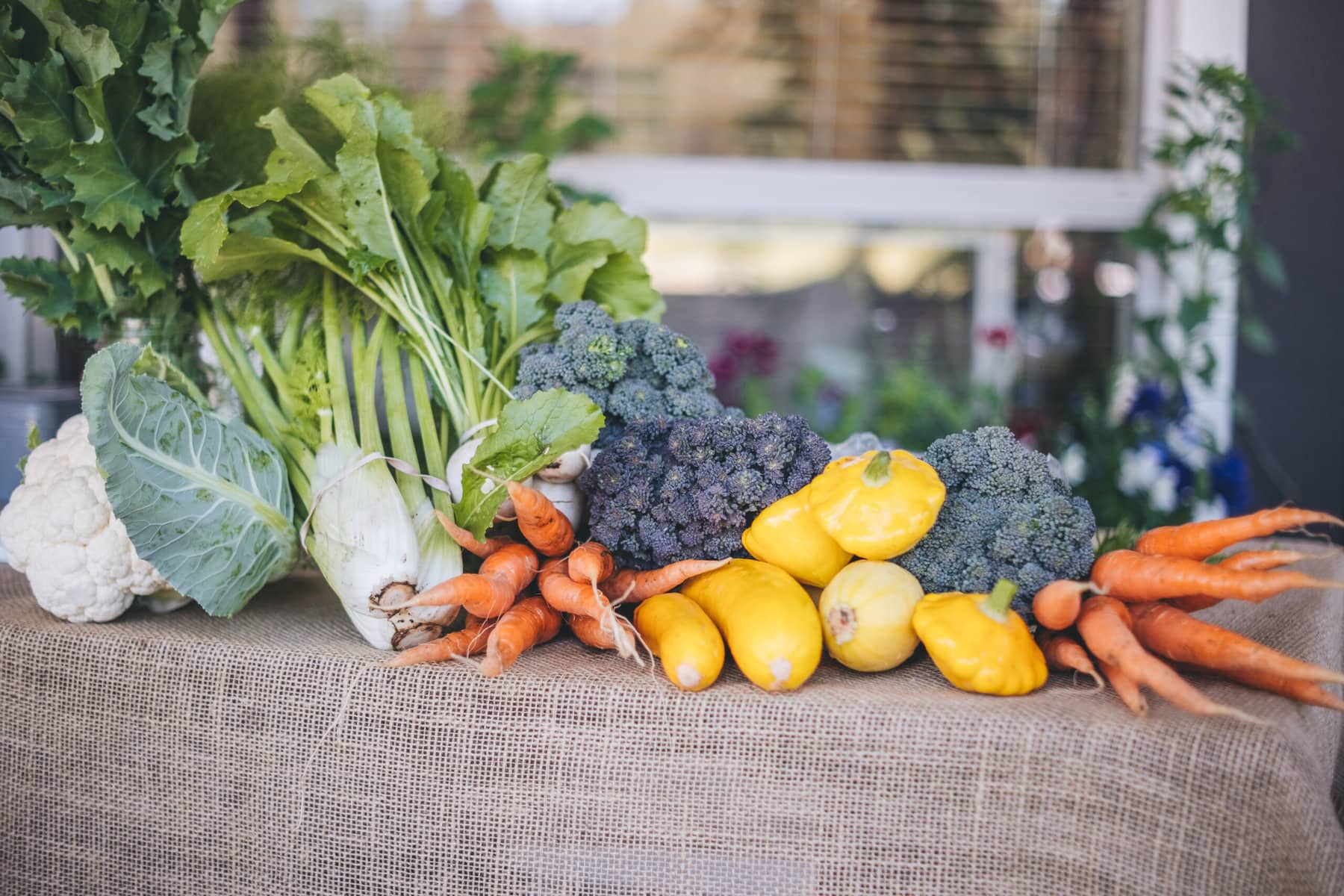


 Democracy Now!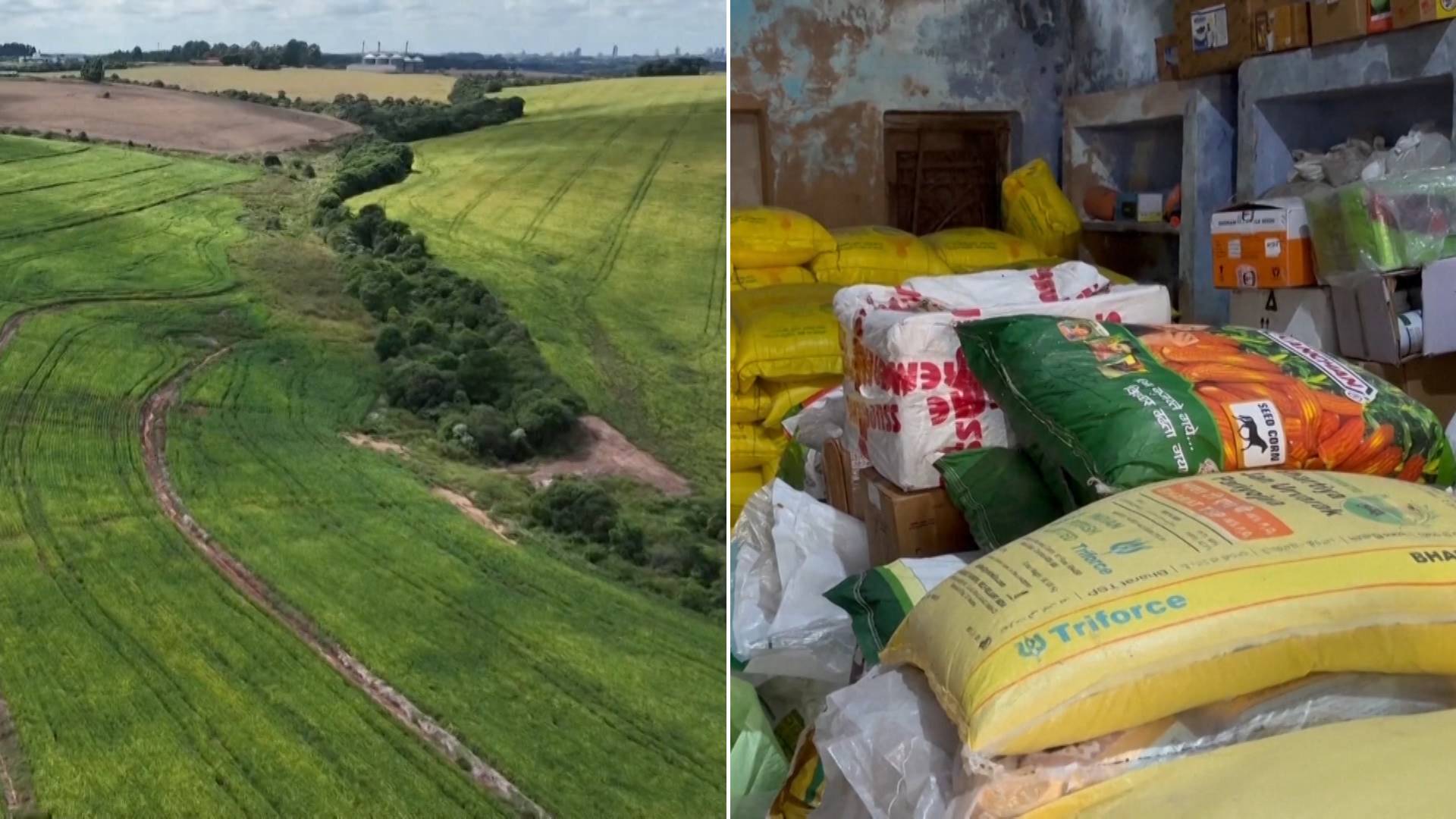


 CBC
CBC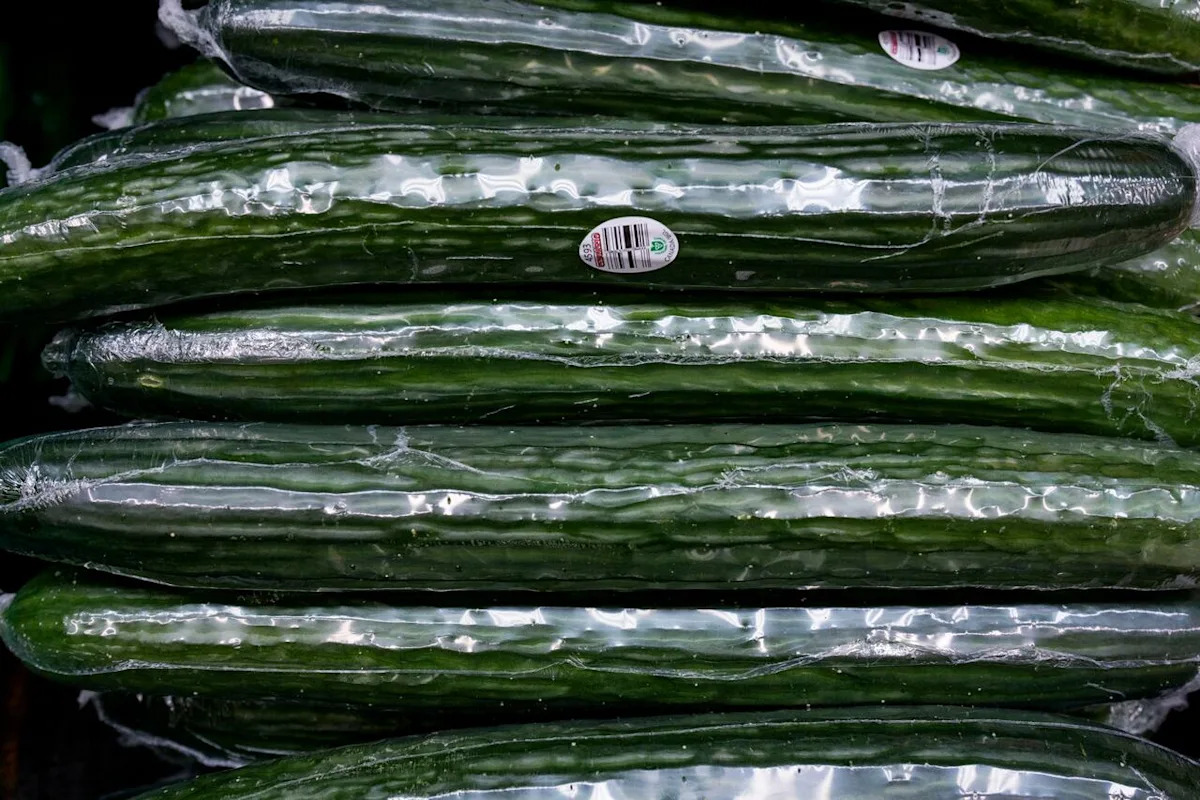
 Alex Purdye
 Wade Thorhaug
What did you think?
Help us improve! Take a quick 60-second survey to share your thoughts on this article.
Take the Survey