

Five people running for Langley Township council belong to neither slate. Benjamin Neff, Mike Parker, Resha Sabti, Andy Shen and Leith White are running as independents. They face 15 slate candidates for eight council seats on 17 October.
All five answered our questions.
In our view, independent candidates are extremely important in this election. Two slates are running three of every four council candidates, and either one can control council with five of nine votes. Voters can choose up to eight councillors, from any mix of candidates.
Choosing independents instead of a full slate is one way to keep a balance of power on council. It can stop one slate from taking total control of the Township. We do not endorse any candidate. This profile tests what each one has said against the values that guide our work.
At a glance
Each point is the candidate's position, in their own terms. Under each, ✅ marks where we think it fits our values, and ⚠️ marks a concern. A point with no concern is not an endorsement. It only means we found no conflict with the values we explain below. Independents are not a team, so each candidate stands on their own.
Mike Parker
- 🚶 Car dependency is a cost-of-living problem. Finish the sidewalk network, build safe routes to school, and ease traffic with other ways to travel, not more lanes.
- ✅ This is the walkable, bikeable growth we want to see.
- 🏡 Homes that fit families. Make it easier to add a suite or second home for a relative, with its own kitchen and door.
- ✅ Adding homes on existing lots uses roads and pipes already in place.
- 🧮 Count all the debt. About $860 million, including borrowing by the Township-owned Housing Trust and money borrowed from the Township’s own reserve funds, reported every three months.
- ✅ A full count, reported often, is the honest accounting we ask of everyone.
Leith White
- 🏘️ More homes inside the boundary. Yes, if done well, to fourplexes and small apartments on single-family streets, and to fewer parking requirements near transit where service is real.
- ✅ Keeping the urban boundary, the line that protects farmland from city growth, only works if there is room to grow inside it
- 🧾 Growth pays what it costs. Fees on new development would match the real cost of roads, pipes and parks, with waivers.
- ✅ Targeted help for rentals and smaller homes fits our values.
- ⚠️ Township fees on a new low-rise apartment are already about double Surrey’s. Tying them to cost could push them higher.
- 🚲 Get the station area ready. Fund sidewalks, safe crossings and separated bike routes within about a 10-minute walk of Willowbrook station.
- ✅ Specific, funded and built before people need it.
Resha Sabti
- 🤝 Fair treatment for workers. Endorsed by a regional labour council, she commits to good-faith bargaining with Township staff and fair treatment for contract workers.
- ✅ Respect for the people who deliver public services fits our values.
- 🚸 Safe routes before opening day, designed early with residents, TransLink and accessibility advocates.
- ✅ Built before people need it, with accessibility in mind from the start.
- 📊 A full cost estimate for every major project, covering what it costs to build and to run for its whole life.
Benjamin Neff
- 🚉 Build the network before the train. Sidewalks, safe crossings, protected bike routes and bike parking within about a kilometre of each Township station, with buses timed to the trains.
- ✅ One of the clearest transit answers we received.
- 🌾 Clear buffers between farms, homes and industry, written into plans before applications arrive.
- ✅ Clear rules protect farmland and give builders certainty.
- 🏘️ Complete communities, with a coffee shop, corner store or bus within walking distance.
- ✅ Daily needs within a short walk is the kind of neighbourhood we want to see.
Andy Shen
- 🔧 Maintenance first. No new borrowing for new amenities until critical repairs to water, bridges, dykes and pools are funded.
- ✅ Looking after what we already own is honest long-term accounting.
- 🚶 No sidewalk gaps near SkyTrain, with safe bike routes and covered bike parking at every station.
- ✅ A specific, affordable fix.
- 🏢 Towers at stations, planned properly. Taller buildings belong at SkyTrain stations and rapid-bus hubs.
- ✅ Height near transit serves the most people.
Like what you are reading?
The Langley Union runs with no ads, no paywalls, and no sponsored content. Only readers like you keeping it going.
Leave a one-time tipAbout this profile
How we evaluate. We use the same values as our slate profiles. They include homes people can afford, and neighbourhoods where you can walk, bike or take transit. They also include an honest count of what growth costs, open government, a voice for renters and workers, and care for farmland and nature. We credit candidates where they fit those values, and raise concerns only where they don't.
What we asked. We emailed all five candidates. All five answered. Each received the same six questions, plus three to six about their own record. Where a candidate left part of a question unanswered, we say so.
Sourcing. We used candidates' websites and replies, the Township's candidate page, and local news coverage. A candidate's claim is attributed to them. Where a candidate made a claim about a rival that we could not check, we left it out. Independents run without a party's staff, so a short platform is normal. We assess what each has actually said.
The numbers we use
These figures match our profiles of Progress for Langley and Langley Strong.
- Debt. The Township told CBC News in April it has authorized about $602 million in debt. CBC reported that is the highest per resident of any major BC city. Langley Strong counts $797.6 million, adding borrowing that is approved but not yet taken out, and borrowing by the Housing Trust, a housing society the Township owns.
- Room to borrow. A 2026 budget slide suggested little room was left. The Township later told CBC the slide was wrong, and that it can borrow about $350 million more.
- Taxes. The 2026 increase was just under 4 per cent. The five-year plan projects 22.8 per cent for 2027, but plans are revised every year.
- Growth fees. Developers pay the Township fees to help cover the cost of growth. Development cost charges pay for roads, water, sewers and parkland. Amenity fees pay for community facilities like rec centres and libraries. In June 2025, the BC Supreme Court struck down the Township’s old amenity fee policy, and the Township has since adopted a new amenity charge. The Township’s development cost charge was $53,044 per new low-rise apartment in 2024, a City of Surrey report shows. Surrey’s new rate is $27,648.
- Interest rates. Rates on long-term government bonds shape what the Township pays to borrow. The 10-year Government of Canada bond rate was 3.96 per cent on 28 September, up from about 3.41 per cent in June. By our rough illustration, each extra percentage point adds about $700,000 a year for every $100 million borrowed over 30 years.
Where independents fit
How council works
Council has nine members: the mayor and eight councillors. Five votes win.
The slates
Progress for Langley holds five seats today, including Mayor Eric Woodward. The other four councillors are now running with Langley Strong. Progress for Langley is running Woodward and eight council candidates. Langley Strong is running Jay Lundgren, plus seven council candidates. Whichever slate wins the mayor's chair needs four council seats for a majority.
What one independent can do
If each slate wins four seats, counting the mayor, one independent casts the deciding vote on every close question. Short of that, an independent can still ask questions in public, bring motions forward and press for information to be released.
What one can't do
One independent cannot block a five-vote majority alone. Two or three make it more likely that no slate reaches five.
In our view
A council where no single slate controls every decision would face more questions and public accountability before big votes. That is a reason to consider independents, whichever slate you prefer.
You can mark up to eight names for council, from any mix of candidates.
General voting day is Saturday 17 October, from 8 a.m. to 8 p.m.
Who is running
| Candidate | Lives in | Background |
|---|---|---|
| Mike Parker | Willoughby | Accountant; runs a family business; former director of Strong Towns Langley; publishes Langley Tomorrow |
| Leith White | Willoughby | Langley City councillor since 2022; retired pastor; former retail executive |
| Resha Sabti | Walnut Grove | Trained as an environmental engineer; insurance and investment advisor; ran in the 2025 byelection |
| Benjamin Neff | Murrayville | Public affairs consultant; owns Hoftag Consulting |
| Andy Shen | Willoughby | Public affairs and communications; worked at the Parliament of Canada and the BC Pharmacy Association |
Mike Parker
Who he is
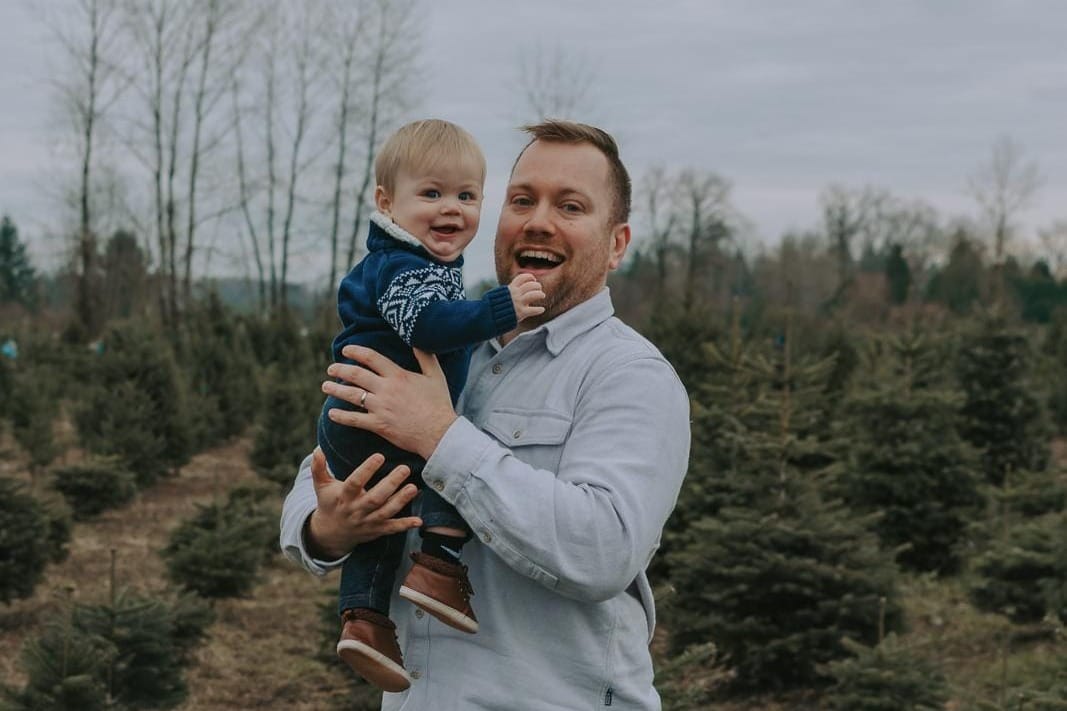
Parker, 36, has a background in accounting and finance and runs a family business in Langley. He is a former director of Strong Towns Langley, an urbanism group, and publishes Langley Tomorrow, where he writes about Township budgets. Our slate profiles cited his debt figures and noted his candidacy. Here, that work is part of his campaign record, and we test his numbers the way we tested both slates'.
What he proposes
A cost-of-living platform: a debt recovery plan, budgets set before design, firm tree-retention rules, and neighbourhoods where families don't need two cars. He says designing neighbourhoods around two cars per household costs families $12,000 or more a year.
What he told us
On taxes, he says the budget is structurally broken. When council approves new development, he says, it looks at the money that comes in up front, not the long-term cost of serving it. He did not name budget areas to change. He doubts amalgamation would fix either municipality's finances, and did not say whether he would commit to a binding vote.
On debt, he counts four parts: $420 million in long-term debt, $184 million in temporary borrowing, $177 million through the Housing Trust, and at least $79 million borrowed from reserves. Those add to $860 million. His answer gives $866 million. The Township’s 2026 capital budget confirms that Housing Trust debt payments count toward its borrowing limit.
"Debt is a claim against future revenue," he said.
On SkyTrain, he wants walking and biking to come first near stations, and pointed to the tower districts around Burnaby’s Lougheed and Brentwood stations as patterns to avoid. He would back Langley Strong’s proposed audit of Township finances and Progress for Langley's sidewalk building, and called safe walks to school the top capital priority.
On housing, he says the Township makes it nearly impossible to give a parent a suite with its own kitchen. He argues that two four-bedroom homes on a lot place no more load on services than one eight-bedroom house. He would keep publishing Langley Tomorrow and his videos if elected, and said he now guesses at what happens in closed meetings.
In our view
Parker's platform fits our values closely. He treats car dependency as a monthly cost to families, puts safe routes to school first, and wants every dollar of debt counted.
Leith White
Who he is
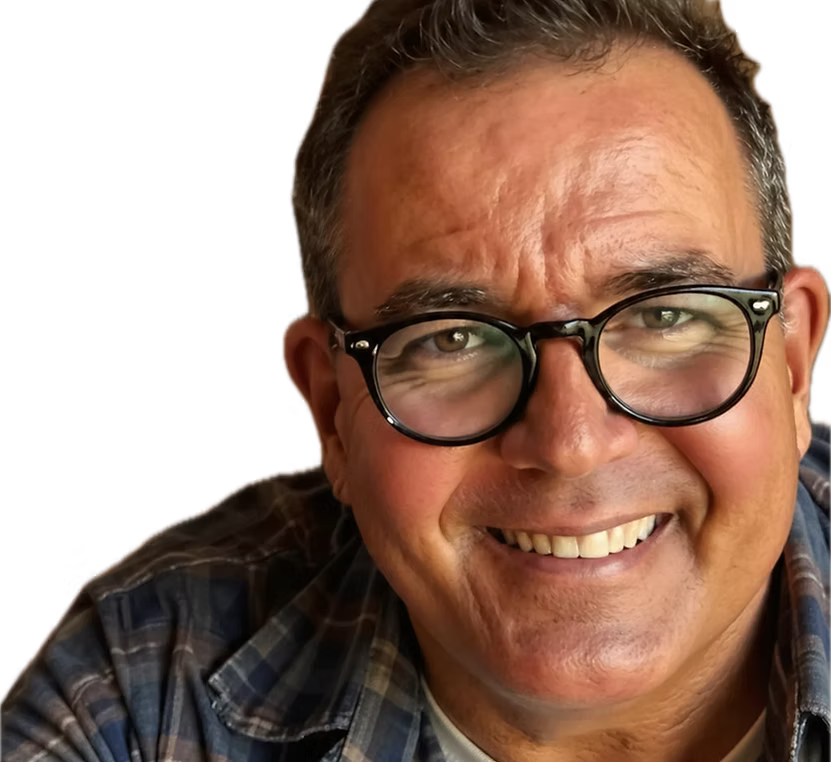
White, 63, has lived in Langley for 30 years, the last 15 in Willoughby. He pastored Langley Vineyard church for more than two decades, after a retail career that included IKEA and Staples. He was elected to Langley City council in 2022 and is not running there again.
What he proposes
Basics first, growth that pays its way, full operating costs before big projects, and a firm Urban Containment Boundary, the line that limits where city-style growth can go.
What he told us
On taxes, he says this year's increase was held down partly by about $48 million from surpluses and reserves, which are unlikely to be available again. He would update development charges yearly and hold spending growth to inflation plus population. He did not name budget areas. On amalgamation, he wants an independent study, then a vote in both communities, each result respected.
On debt, he cites $584 million owed at the end of 2025, $334.4 million in new borrowing authorized this year, and about $177 million tied to the Housing Trust. He says the 2026 budget leaves about $11 million a year of room for debt payments. The Township has since told CBC it can borrow about $350 million more. He wants a debt limit below the maximum and a paydown plan, but gave no number.
On SkyTrain, he would finish the Willowbrook station-area plan, which he says has been on hold since 2024. He would fund sidewalks, safe crossings and separated bike routes within about a 10-minute walk of the station. He would work with either slate on policing, debt and growth charges, but did not name an issue for each. He named people without housing, seniors on fixed incomes and renters as the residents council hears least.
As an example from his time on City council, he pointed to his motion on improved transparency and financial reporting. He introduced it in December 2025 and says it passed with all of council’s support. He did not name a vote he would change.
As an example of a Township decision made with little scrutiny, he named Bylaw 6234. It removes the rule that censuring, or formally reprimanding, a councillor needs a two-thirds majority, so a simple majority is enough. Council gave it three readings on 15 June, a week after public notice, and formally adopted it on 29 June. The change takes effect after the election.
On development charges, he would tie rates to actual costs. A lower charge, he noted, can end up in land prices instead of home prices. He would use the waivers the bylaw already allows for non-profit and below-market rentals, and lower charges for smaller homes. Holding the boundary "only works if we make room for more homes inside it," he said.
In our view
White's housing answer is one of the strongest we received. He links protecting farmland to building more homes inside the boundary, and would ease parking rules near transit where the service is really there. The residents he named are the ones council most often misses. He is right that charges can show up in land prices. But at about double Surrey's rate, the Township's charges deserve a hard look, and tying them to cost could push them higher.
Resha Sabti

Who she is
Sabti has lived in Langley for more than 15 years and lives in Walnut Grove. She trained as an environmental engineer and works as an insurance and investment advisor. She ran in the 2025 council byelection, which Blair Whitmarsh won. The New Westminster & District Labour Council has endorsed her.
What she proposes
Realistic budgeting for a fast-growing Township, safer streets for children, and support for the arts, according to local coverage.
What she told us
On taxes, she named four areas: capital projects, debt payments, facility operating costs and reserves. Every major project would need a business case showing lifetime costs. She would delay less urgent projects where that doesn't add cost, pursue more grants, and stop using reserves for ongoing costs. On amalgamation, she would want a citizens' assembly to study it first, and would proceed only if residents of both municipalities voted in favour.
On debt, she cites about $798 million including Housing Trust borrowing, matching Langley Strong's count. She would not set a limit before reviewing the full details. On SkyTrain, she would push for a funded schedule to finish walking and cycling links around Willowbrook station before it opens. Residents, TransLink and accessibility advocates would be involved early.
"Every vote will remain my own, based on facts and community needs," she said. She did not name an issue to work on with either slate. She declined to name which residents council hears least, saying it would not be responsible to single out a group.
She says the labour council endorsement involved an interview and questions. She commits to fair treatment and good-faith bargaining for Township staff and contract workers.
Unlike a slate, she said, those who endorsed her don't fund or run her campaign. In May, she asked council to act on children's e-scooter safety through education, enforcement and, if needed, opting out of the province’s e-scooter pilot program. She raised cuts to arts funding at a candidates’ forum in September, but told us she does not have verified grant names or amounts.
In our view
Sabti's commitment to good-faith bargaining, including for contract workers, fits our values. So does her plan to finish walking and cycling links before SkyTrain opens, with accessibility advocates at the table.
Benjamin Neff
Who he is
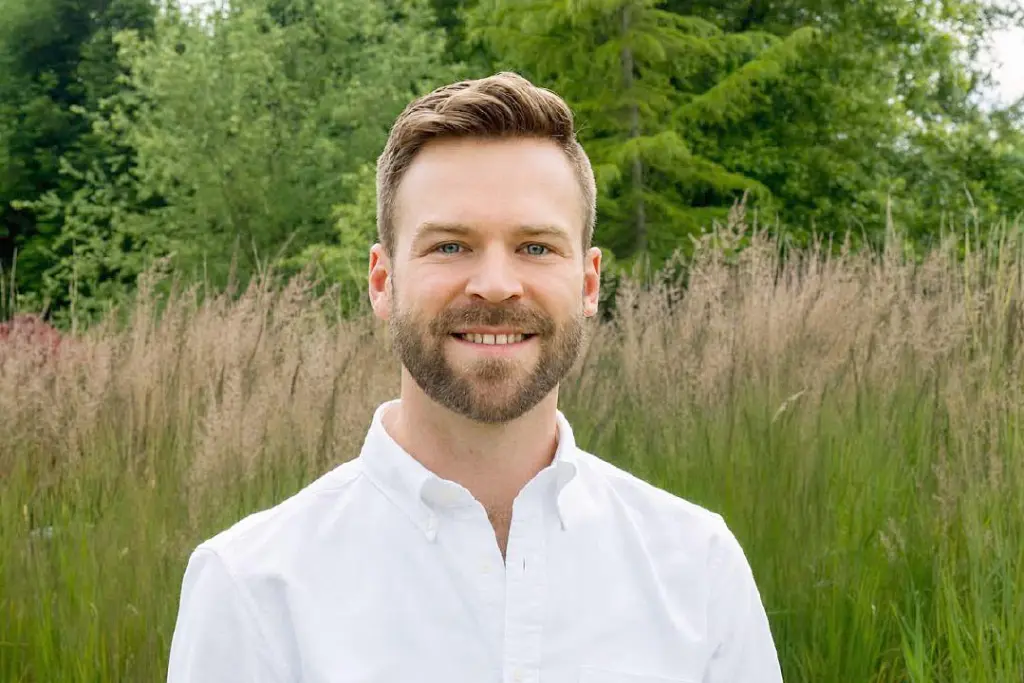
Neff, 34, has lived in Langley for 11 years and lives in Murrayville. He owns Hoftag Consulting, a public affairs firm that works on planning and permitting files across BC. This is his first run for council.
What he proposes
Four commitments: community first, fiscal stewardship, thoughtful growth and responsible government.
What he told us
On taxes, he would slow borrowing, rank projects by need and use reserve borrowing cautiously. He would grow employment land and bring back an economic development department, without cutting front-line police and fire. He takes no position on amalgamation before a full study, but would support a merger only if both communities approved it in separate votes.
On debt, he cites about $600 million authorized, and says it isn't publicly clear how much Housing Trust borrowing the Township guarantees. He set no limit, saying it depends on rates, reserves and the development cycle. Every loan would need a repayment source and a full briefing to all of council.
On SkyTrain, he would build sidewalks, safe crossings, protected bike routes and secure bike parking within about a kilometre of each Township station. All of it would be done before opening, with buses timed to the trains.
"Too often in Langley, we build the homes first and the connections later," he said.
With Progress for Langley, he would work on roads and the Rural Plan. With Langley Strong, he would back its Willowbrook public safety plan. He named shift workers, young parents, renters working two jobs and newcomers as least heard.
On housing, he said the Township must work within the province's density rules. On parking, he wrote that the market knows what residents want better than planners. He also wrote that he would rather encourage other ways of getting around than move away from long-standing transportation habits.
Asked about the vandalized rainbow crosswalk in Fort Langley, he said public spaces must be safe and open to everyone, including LGBTQ+ residents.
In our view
Neff's SkyTrain answer is among the best we received. It is specific, includes protected bike routes, and names the problem: homes get built before the sidewalks and bus routes, so families buy a second car. His call for clear buffers would protect farmland and give builders certainty.
Andy Shen
Who he is
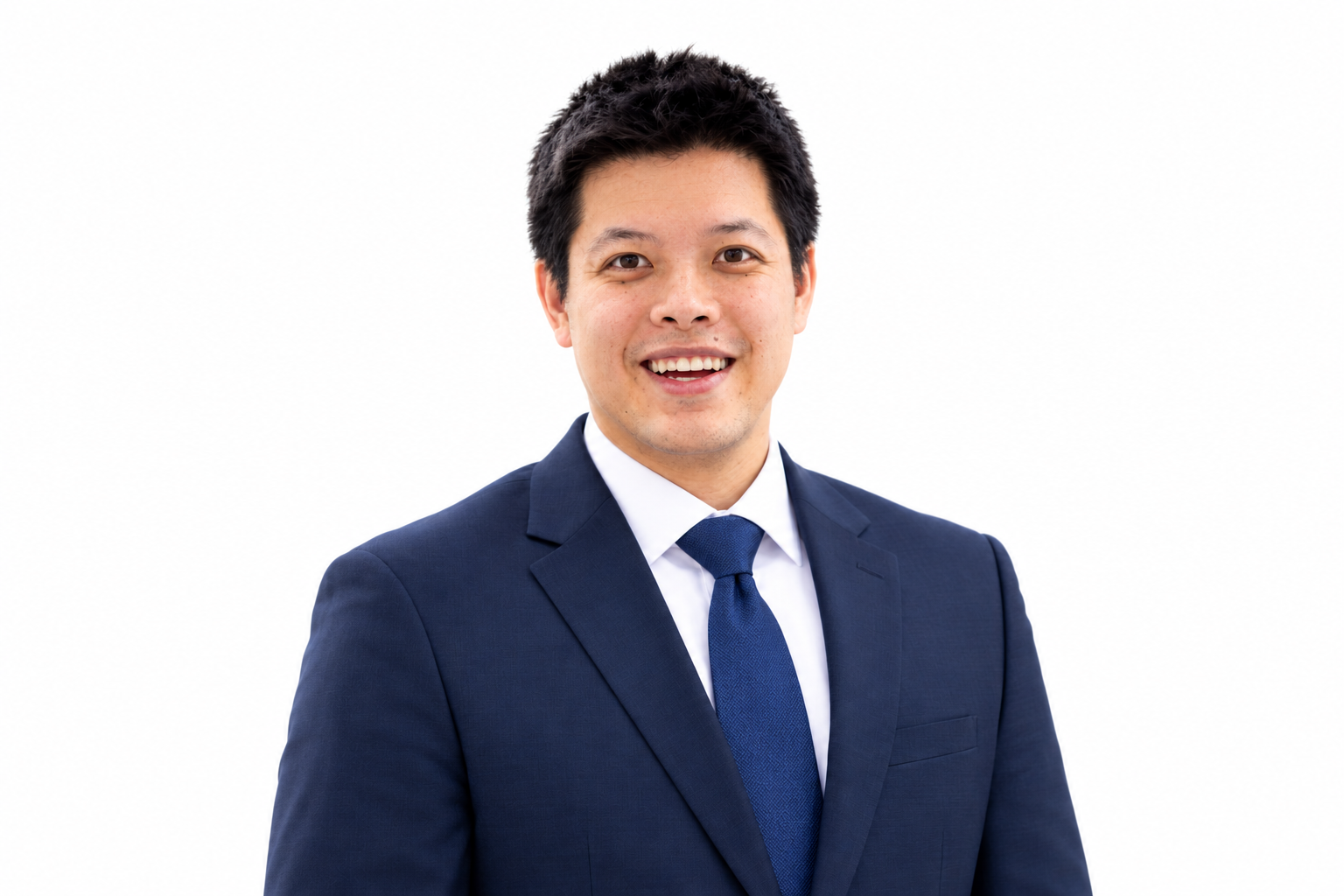
Shen, 37, has lived in Langley for five years and lives in Willoughby. He has worked in public affairs for more than 14 years, including at the Parliament of Canada and the BC Pharmacy Association.
What he proposes
A back-to-basics platform: roads before growth, more parks and pools, steady taxes, and more police and fire.
What he told us
On taxes, he would fund critical maintenance first. He says the Walnut Grove pool's pipe repair has risen to $200,000 and is unfunded. The bridges on 88 and 96 Avenue into Fort Langley also need replacing, he says. He would slow borrowing and pursue every grant. He opposes a forced merger with Langley City, but would commit to a binding vote in both municipalities if one were seriously proposed.
On debt, he cites about $600 million authorized against a limit of about $950 million, which matches the Township's figures. He wants one plain-language total, and no new borrowing for new amenities until critical maintenance is funded. On SkyTrain, he would fill every sidewalk gap within a 10-minute walk of a station, with safe bike routes and covered, secure bike parking.
With Langley Strong, he would work on disclosing all debt, including Housing Trust borrowing. With Progress for Langley, he would work to build the Willoughby community centre and pool. If a slate tries to push through controversial plan or zoning changes, he would bring council a residents' petition. He named shift workers, young parents and newcomers as least heard, and wants evening and online input.
In 2022, Shen campaigned against a proposed 45-storey tower on 200 Street in Willoughby. He says his objection was the process, because the site was in an area planned for low-rise buildings.
"Taller apartment buildings can exist in Langley but they need to be planned properly," he said. They belong at SkyTrain stations and rapid-bus hubs.
He prefers bike paths separated from the road and shared with people walking. On crime, he noted that Statistics Canada’s measure of overall crime fell in the Township in 2025, while reported property crime was higher than in 2023.
In our view
Shen's maintenance-first approach is honest accounting, and his fix for sidewalk gaps near stations is specific and affordable. His crime answer was also more precise than his platform, which says simply that crime is rising.
References
The election
- Township of Langley: About the candidates
- Township of Langley: Candidates and declaration
- Langley Advance Times: 20 candidates vie for Langley Township council positions (11 Sept 2026)
- Langley Advance Times: Meet the Langley Township council candidates (8 Oct 2026)
- Langley Advance Times: Township council candidates field flurry of questions (24 Sept 2026)
- Langley Advance Times: Council hopefuls spar in debate (3 Oct 2026)
Mike Parker
- Mike Parker for Langley Council: Platform
- Aldergrove Star: Self-styled "budget watchdog" runs for Langley Township council (8 July 2026)
- Langley Tomorrow (Mike Parker): Township of Langley debt calculator (May 2026)
- Mike Parker: Willoughby Will Never Get its Pool (Dec 2025)
- Strong Towns Langley: We may not like them, but CACs are still legal (Oct 2026)
Leith White
- Leith White: Campaign website and priorities
- Langley Advance Times: Langley City councillor Leith White will be running for Township council (26 May 2026)
- Township of Langley: Bylaw 6234 and council minutes, June 2026
- City of Langley: council minutes for White's financial reporting motion, December 2025
Resha Sabti
- Langley Advance Times: Resha Sabti to run for Langley Township council again (22 May 2026)
- Aldergrove Star: Meet your candidates: Resha Sabti (Oct 2025)
- Resha Sabti on LinkedIn: labour council endorsement (Sept 2026)
Benjamin Neff
- Benjamin Neff for Langley Township Council
- Langley Advance Times: Consultant runs for Township council seat (25 July 2026)
Andy Shen
- Andy Shen for Langley Township Council: Priorities
- Aldergrove Star: Shen runs as independent in Langley Township (24 Sept 2026)
- Township of Langley open data: Property crimes
Debt, taxes and growth charges
- CBC News: Langley Township debt (April 2026)
- Township of Langley: 2026 budget slides and capital budget
- Langley Advance Times: Langley Township drops appeal of overturned development fees (15 May 2026)
- Township of Langley: Amenity cost charges
- City of Surrey: Corporate Report R098, 2026 Development Cost Charge Bylaw
- Donald Shoup, The High Cost of Free Parking
What did you think?
Help us improve! Take a quick 60-second survey to share your thoughts on this article.
Take the Survey