
Table of Contents
The best way to help The Langley Union grow is simple: share this newsletter. Forward it to a friend, mention it to your family, or post it on social media and encourage others to subscribe.
As I sit down to write this editorial, the United States and Israel are ten days into a massive bombing campaign against Iran.
More than 1,850 people are dead. At least 1,330 Iranian civilians have been killed.
In Lebanon, where Israel has launched a simultaneous ground invasion and aerial bombardment, 394 people are dead, including 83 children, and more than half a million have been displaced.
More than a dozen people have been killed across the Gulf states by Iranian retaliatory strikes. At least 15 are dead in Israel.
The war has destroyed civilian infrastructure across 17 Iranian provinces.
The World Health Organization has confirmed that at least 13 health facilities have been hit.
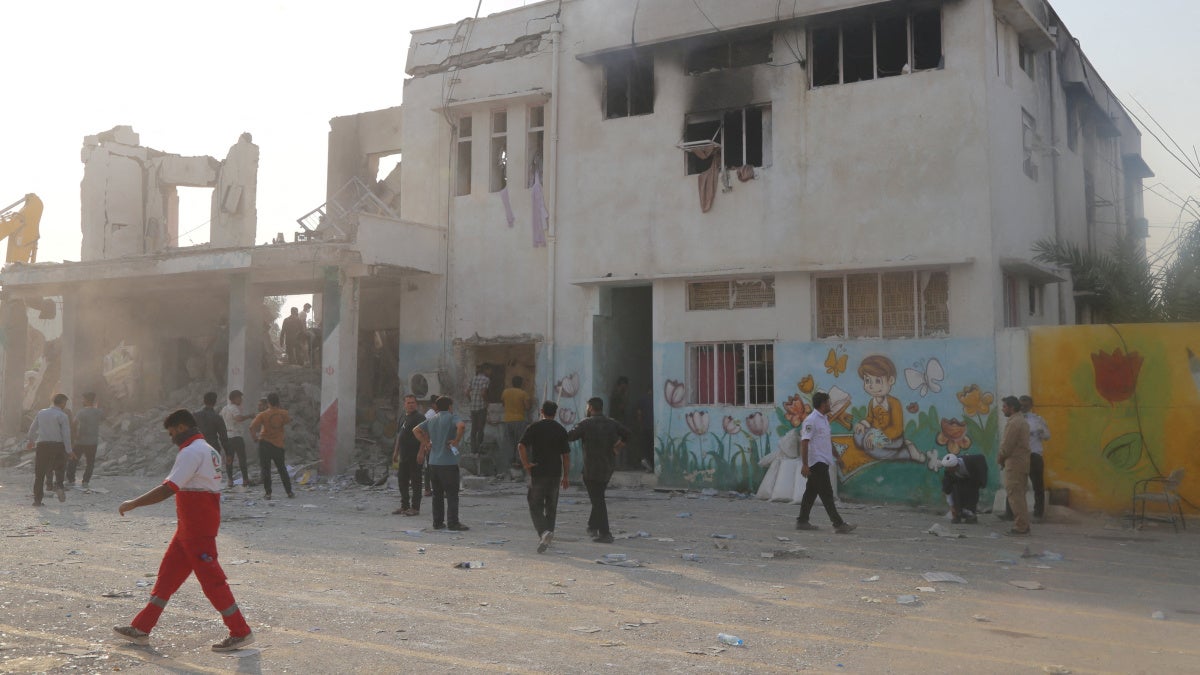
A girls' primary school in Minab was bombed on the first morning of the war, killing at least 165 people, the vast majority of them schoolgirls between the ages of 7 and 12. Human Rights Watch has called for the attack to be investigated as a war crime.
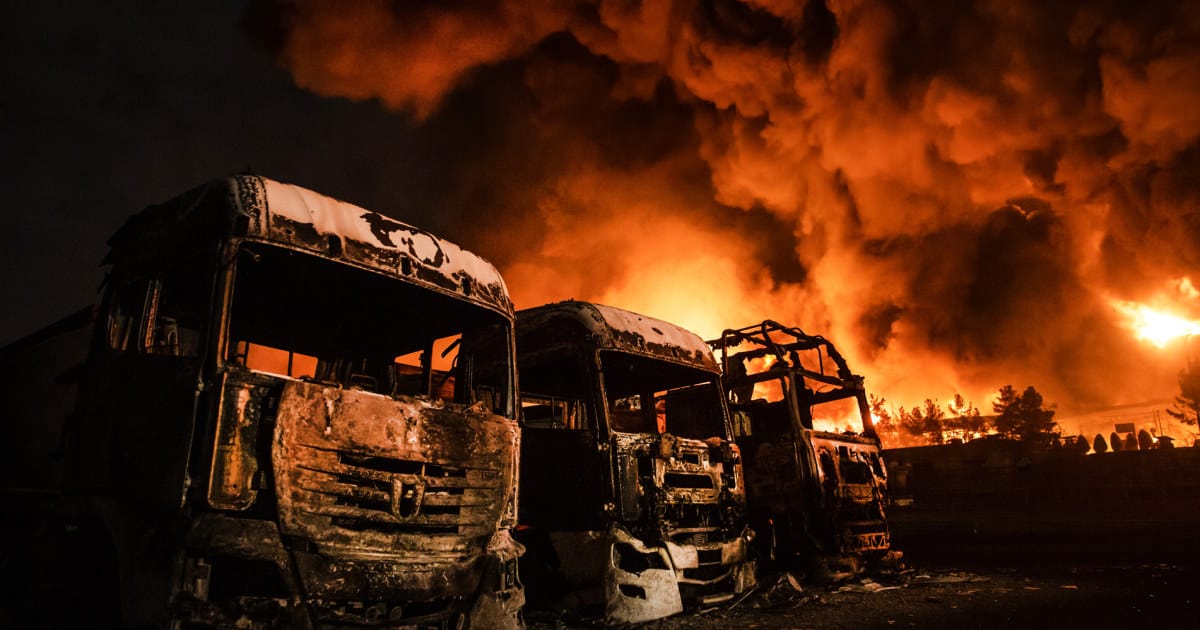
And on Saturday, Israeli strikes on 30 oil depots in Tehran turned the sky black with toxic smoke, caused oil to flow in rivers of fire through the streets, and triggered warnings of acidic rainfall across a city of 10 million people.
This is not a surgical counter-proliferation operation. This is a full-scale war, and it is spiraling beyond control.
Prime Minister Mark Carney has said he "can never categorically rule out" Canadian military participation.
He must rule it out. Categorically. Without ambiguity.
Under no circumstances should Canada allow itself to be pulled into this war.
Solidarity with the Iranian People Means Opposing This War
Let us be absolutely clear about the nature of the Iranian regime: the Islamic Republic is a brutal theocracy with one of the worst human rights records on the planet.
In January 2026, after nationwide protests erupted across more than 100 cities, the regime responded with mass killings. Estimates of the dead range from the government's own figure of 3,117 to human rights organizations' counts exceeding 30,000.
Security forces opened fire on crowds with live ammunition. They used drones against their own citizens. They blocked fire trucks from reaching burning buildings where protesters were trapped. Hospitals were overrun, and medical staff were threatened for treating the wounded.
Canada was right to condemn these massacres. Canada was right to sanction 256 Iranian entities and 222 individuals. Canada was right to list the IRGC as a terrorist organization. The Iranian people deserve freedom, democracy, and self-determination.
But bombing hospitals does not deliver democracy.
Blowing up critical water desalination plants does not build civil society.
And what happened at the Shajareh Tayyebeh primary school in Minab is not liberation. It is slaughter.
On the morning of February 28, the first day of the war, missiles struck a girls' school in the southern city of Minab while it was packed with students. At least 165 people were killed.
The vast majority were girls between the ages of 7 and 12. Their teachers and parents died alongside them. Bodies were pulled from the rubble for days. Iran held a mass funeral on March 3, with thousands of mourners filing past rows of small caskets while excavators prepared a mass burial site.
And the horrors have only escalated since.
On Saturday, March 8, Israeli strikes hit 30 fuel depots and oil storage facilities across Tehran. The strikes went far beyond what the United States expected. According to Axios, the U.S. response to Israel was, in essence, "WTF."
Videos showed enormous firestorms lighting up the night sky. Oil flowed through streets and drainage channels in rivers of fire. By Sunday morning, Tehran, a city of 10 million, woke to a sky blotted out by toxic black smoke.
Black, oily raindrops fell on windows across the capital. Iran's Red Crescent Society warned the rainfall could be "highly dangerous and acidic." Iran's foreign ministry called it "intentional chemical warfare against the Iranian citizens." Observers described the scene as "apocalyptic."
The same day, Iran's foreign minister confirmed that a U.S. airstrike had destroyed a freshwater desalination plant on Qeshm Island, cutting water supply to 30 villages.
Desalination plants are the primary source of drinking water in the Gulf region, one of the most water-scarce areas on Earth. Iran retaliated by striking a desalination plant in Bahrain. The precedent has been set, and it threatens the water security of millions of people across the entire Gulf.
This is what "support" for Operation Epic Fury actually looks like.
Murdered schoolgirls. Toxic rain. Drinking water cut off. Environmental catastrophe. Any country that participates in this war, in any capacity, shares liability for these crimes.
The same Iranian people who were protesting for their freedom in January are now the ones huddling in the wreckage of their cities. History tells us what happens next. When foreign bombs fall on a civilian population, opposition to the regime does not grow. It collapses. People rally around whatever government they have, because the immediate threat is no longer their own rulers. It is the planes overhead.
If Canada truly stands with the Iranian people, as every official statement from Ottawa insists, then Canada must pursue non-military paths to support democratic change: targeted sanctions, support for diaspora-led civil society organizations, diplomatic engagement with like-minded nations, and amplification of Iranian voices calling for self-determination. Not bombs.
This Is Not a Defensive War. Look at the Map.
It is essential that Canadians understand what they would actually be supporting if this country joins the conflict.
This is not simply a targeted campaign against Iran's nuclear program. It is part of a much broader pattern of Israeli military aggression that extends well beyond Iran's borders.
On March 2, Israel launched a ground incursion into southern Lebanon, seizing territory and ordering the evacuation of entire regions south of the Litani River.
Israeli jets have been bombing Beirut's southern suburbs for days, striking hotels, residential buildings, and media headquarters. On Sunday, Israel bombed the Ramada Plaza hotel in central Beirut, the first strike on the heart of the capital, a hotel full of displaced families who had fled the bombing in the south.
At least 394 people have been killed in Lebanon in a single week, including 83 children. Eighty-three children.
That number alone should end any conversation about whether this is a proportionate or defensive military operation.
Two-year-old Haidar and four-year-old Ruqaya, children of a family already displaced by the 2024 war, were killed when Israel bombed the home they had sheltered in while their family was preparing to flee.
"It was a home for displaced people. They weren't building rockets," their relative told reporters. More than half a million people have been displaced across Lebanon.
French President Emmanuel Macron has warned Israel against a full invasion. Israel's response has been to call up tens of thousands of reservists to the Lebanese border.
This is not self-defence. This is expansion.
And it fits a pattern that Netanyahu himself has been remarkably honest about. In August 2025, in an interview with Israeli broadcaster i24 News, Netanyahu was presented with an amulet depicting a map of the so-called "Promised Land."
When asked if he felt connected to the vision of "Greater Israel," he replied without hesitation: "Very much." He described himself as being on a "historic and spiritual mission."
The vision of Greater Israel, embraced by ultra-nationalist Zionists, claims not just the occupied West Bank and Gaza, but parts of Jordan, Egypt, Syria, Lebanon, Iraq, and Saudi Arabia.
It is not a fringe position within Israel's current government. Finance Minister Bezalel Smotrich has publicly stated that Israel's borders should extend to Damascus.
He has said "there is no such thing" as the Palestinian people. Israeli soldiers have been photographed wearing shoulder patches depicting Greater Israel maps that stretch from the Nile to the Euphrates.
In February 2026, Mike Huckabee, the U.S. Ambassador to Israel, said it would be "fine" if Israel took over the entire Middle East.
Put this alongside what is happening on the ground.
The ongoing genocide in Gaza, which has killed tens of thousands of Palestinians since October 2023, the systematic destruction of civilian infrastructure, the forced displacement of millions, the annexation plans for the West Bank, the renewed invasion of Lebanon, and now the largest bombing campaign against Iran in modern history.
This is not a country defending itself from an existential threat. This is a state pursuing an openly declared project of imperial expansion, enabled at every step by the United States.
Canada should not be part of it.
Any Canadian participation in this war, in any form, is participation in this broader campaign. There is no way to support "Operation Epic Fury" without also supporting the architecture of expansion and occupation that surrounds it.
The Rules-Based Order Is Dead. Carney Said So Himself.
Prime Minister Carney finds himself in a genuinely difficult position, and it is worth acknowledging that.
He inherited a foreign policy landscape that has been shattered by the Trump administration's unilateral aggression. He is managing a trade relationship with the United States that is under constant threat. He is navigating NATO alliance obligations while touring Asia. None of this is easy.
But Carney's own words should be guiding him to the right answer.
At Davos earlier this year, Carney described a "rupture" in the international order. He said the old rules-based system was "not coming back." On March 3, he called the Iran war "another example of the failure of the international order."
He noted that Canada was not consulted. He noted that Canada was not asked to participate. He said the strikes appear to be "inconsistent with international law."
He then said his support was "not a blank cheque."
But the trajectory of his statements has been troubling. On February 28, the day the bombs started falling, Carney offered Canada's support for the U.S. strikes. By March 3, that support came "with regret." By March 5, he told reporters that "one can never categorically rule out participation." That was before the school massacre investigation, before the oil depot infernos, before the desalination plants were destroyed.
The case for staying out has only gotten stronger with every passing day.
"Canada is actively taking on the world as it is, not passively waiting for a world we wish to be." — Prime Minister Mark Carney, March 3, 2026
If that principle means anything, it means recognizing that the era of reflexive deference to American military adventures is over.
If the international order is truly dead, as Carney himself has declared, then all bets are off. All obligations rooted in that old order must be re-evaluated.
Every decision must be weighed, as Carney said at Davos, on "the strength of our values, and the value of our strength."
Both conditions point to zero military involvement.
Our values demand that we refuse to participate in a war that is killing civilians, destroying hospitals, and being conducted without UN authorization or allied consultation.
Our strength demands that we not squander our limited military capacity and political credibility on a campaign that even its architects cannot agree on the objectives of. Washington has shifted its stated rationale for the war multiple times, from counter-proliferation, to regime change, to "setting terms for peaceful coexistence."
There Is No Small Way to Join This War
Some in Ottawa may be tempted by the idea of limited participation.
A few ships for defensive patrols. Some logistics support. Intelligence sharing. The kind of quiet, behind-the-scenes involvement that lets a government say it is "standing with allies" while avoiding the political costs of full engagement.
This is a fantasy. There is no minor, sideline role in Operation Epic Fury.
Any Canadian military asset deployed to the region becomes part of the war. Any intelligence shared feeds the targeting systems dropping bombs on Iranian cities. Any naval vessel operating in the Gulf becomes a target for Iranian retaliation.
And here is the critical point: even the United States cannot control what Israel does within this war.
When Israel struck 30 oil depots across Tehran on Saturday, the scope of the attack went far beyond what Washington expected. Axios reported that the U.S. message to Israel was essentially "WTF."
The U.S. is now concerned that Israel's targeting of civilian infrastructure is rallying Iranian support for the regime and driving up global oil prices. But the bombs have already fallen. The environmental catastrophe is already unfolding. The precedent of striking desalination plants has already been set.
This is what joining a war of choice means.
It means opening a bottomless pit of liability. It means attaching your country's name to every school that gets bombed, every oil depot that turns a city's sky black, every desalination plant that cuts off drinking water to villages.
It means sharing responsibility for war crimes that have already been committed, and for whatever comes next in a campaign that even America's own intelligence community assessed would be unlikely to topple the Iranian government.
Canada has no ability to constrain this war from the inside. The only way to avoid complicity is to stay out entirely.
We know this because it has happened before. During the 2003 Iraq invasion, Canada officially declined to participate.
But as many as 100 Canadian exchange officers embedded with U.S. and British forces remained in place and participated in operations. Canadian ships in the region were involved in interdiction missions that were functionally indistinguishable from the invasion effort.
Today, the CBC has reported that as many as 18 Canadian military members on exchange with U.S. forces in Qatar and Bahrain may have been involved in planning or coordinating the current strikes, despite official denials from the Department of National Defence.
This is how mission creep starts. This is how a country gets dragged into a war it never voted for.
The Iraq Precedent: Canada Was Right
In March 2003, Prime Minister Jean Chrétien told the House of Commons that Canada would not participate in the American-led invasion of Iraq.
Stephen Harper, then leader of the Opposition, published an op-ed in the Wall Street Journal declaring that Canadians "stand with" the U.S. invasion.
He was wrong. Chrétien was right.
No weapons of mass destruction were ever found. Canada's intelligence analysts had independently assessed that Iraq did not have an active WMD program, and events proved them correct.
The Iraq war killed hundreds of thousands of Iraqi civilians. It cost the United States trillions of dollars. It destabilized the entire Middle East and directly led to the rise of ISIS.
Canada's refusal to join that war is now widely regarded as one of the best foreign policy decisions of the 21st century.
Chrétien himself considered it the finest decision of his tenure. Even the Canadian Forces Journal published an analysis concluding that Iraq posed no imminent threat, and that participation would have been counterproductive to the broader fight against terrorism.
The parallels to today are impossible to ignore.
Once again, an American president is launching a massive military operation in the Middle East without UN authorization.
Once again, the stated rationale keeps shifting.
Once again, the operation was sold as quick and decisive, yet experts are already warning it will last months or years.
Angus Reid polling shows that only 34% of Canadians support the strikes, while 49% oppose them. Even in the United States, 59% of Americans disapprove of the decision to strike Iran, according to CNN polling.
And once again, Conservative leaders are lining up to support the war.
Pierre Poilievre declared that his party supports "the United States, Israel and our allies across the gulf to defend their sovereignty and dismantle the clerical military dictatorship of Iran."
War Makes Us Poorer and Less Safe
The economic evidence is overwhelming.
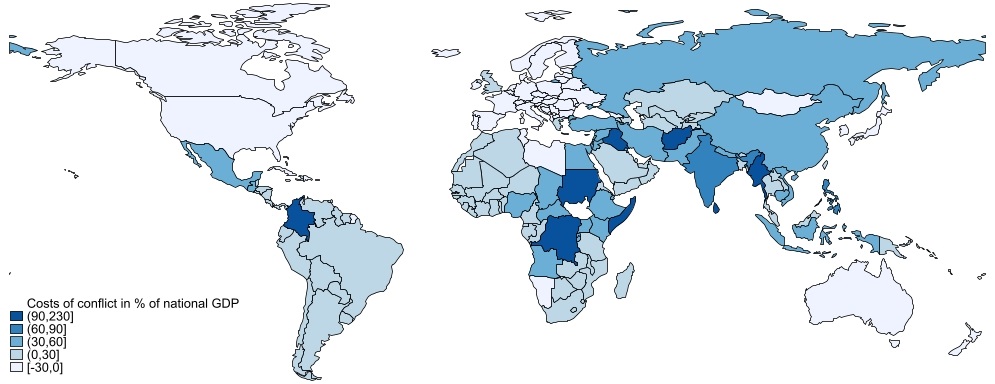
Research published in the Journal of Peace Research found that the world would have been 12% wealthier in 2014 if violent conflict had been absent since 1970.
Developing countries bore the heaviest costs, while nations that avoided direct involvement in wars consistently outperformed those that did not. The Kiel Institute's analysis of more than 150 wars since 1870 confirms what should be obvious: war destroys capital, disrupts trade, and depresses long-term growth.
Canada's decision to stay out of Iraq did not harm its economy. It did not damage its international standing in any lasting way. The feared retaliation from the Bush administration, including a temporary reduction in intelligence sharing, was reversed within months when the problems with pre-war American intelligence became undeniable.
Meanwhile, nations that joined the Iraq coalition paid enormous costs in blood and treasure for over a decade.
Beyond the economic argument, there is a direct security consideration. Countries that participate in Middle Eastern wars expose themselves to retaliatory threats on home soil.
Canada's relative safety from international terrorism has been directly linked to its restraint in foreign military adventures.
Joining this war, in any capacity, would fundamentally change Canada's threat profile. It would make Canadian cities, Canadian infrastructure, and Canadian citizens targets in a way they are not today.
What Langley's MPs Think, and Why It Matters
Langley is represented by two Conservative Members of Parliament who belong to a party that has explicitly endorsed the U.S.-Israeli military campaign against Iran.
Tamara Jansen, MP for Cloverdale-Langley City, and Tako van Popta, MP for Langley Township-Fraser Heights, sit in a caucus whose leader has voiced full-throated support for Operation Epic Fury and regime change in Iran.
Conservative defence critic James Bezan has called for a parliamentary debate before any deployment, which is welcome, but the party's underlying position is clear: they believe Canada should be standing with the U.S. military effort.
This matters because public pressure works.
In 2003, Jean Chrétien's decision to stay out of Iraq was shaped by the near-unanimous opposition of his parliamentary caucus, which in turn was responding to constituents who had collected petitions and made their views known.
Polling at the time showed 71% of Canadians opposed the invasion. That public sentiment gave Chrétien the political cover to make the right call.
The same dynamic can work today. And it must.
Make Your Voice Heard
If you believe Canada should not participate in the war against Iran, your elected representatives need to hear from you.
Call. Email. Write a letter.
Tell your family and friends to do the same.
The best way to counter the pressure Ottawa may feel from Washington is to apply even greater pressure from home.
Tamara Jansen, MP — Cloverdale-Langley City (Conservative) Constituency Office: 214-6820 188 Street, Surrey, BC V4N 3G6 Phone: 604-575-6595 | Ottawa: 613-992-0884 Email: tamara.jansen@parl.gc.ca
Tako van Popta, MP — Langley Township-Fraser Heights (Conservative) Constituency Office: 104-4769 222 Street, Langley, BC V2Z 3C1 Phone: 604-534-5955 | Ottawa: 613-992-1157 Email: tako.vanpopta@parl.gc.ca
Hon. Anita Anand, Minister of Foreign Affairs Email: anita.anand@parl.gc.ca
Office of the Prime Minister Phone: 613-992-4211 Email: pm@pm.gc.ca
When you contact your MP, be direct:
- Tell them you oppose Canadian military involvement in the Iran war in any form.
- Tell them you support diplomatic efforts to de-escalate the conflict and non-military support for democratic change in Iran.
- Tell them that Canada's decision to stay out of Iraq was the right one, and that the same wisdom must guide us now.
- Ask them to push for a parliamentary debate and a formal vote before any deployment of Canadian forces.
And then ask your neighbours to do the same. Post about it. Talk about it at the dinner table. Bring it up at community events.
Democracy works best when people use it.
The Choice Is Clear
The Iranian regime is a brutal authoritarian state. That has never been in question.
But the way to support the Iranian people is not to rain bombs on their hospitals, murder 165 schoolgirls in Minab, destroy desalination plants that provide drinking water to villages, turn Tehran's sky black with toxic oil fires, arm Kurdish militias to destabilize their borders, and let Donald Trump pick their next leader.
The way to support the Iranian people is to listen to them, amplify their voices, and use every non-military tool available to pressure their government toward democratic reform.
Canada stayed out of Iraq. History proved it right. Canada must stay out of Iran.
No ships. No planes. No intelligence support. No exchange officers embedded in American operations. No quiet, behind-the-scenes participation that amounts to the same thing.
Zero military involvement. Full stop.
References and Further Reading
 Louis A. Delvoie
 The Hub Staff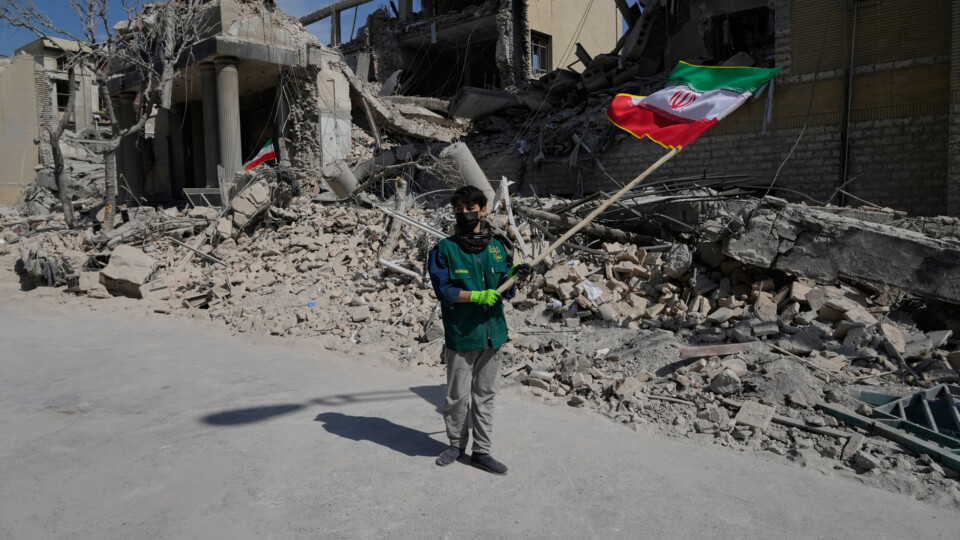

 Federle, J., Meier, A., Müller, G.J., Mutschler, W., Schularick, M.
 Trevor Ball, Carlos Gonzales
 Alan Barnes

 Al Jazeera Staff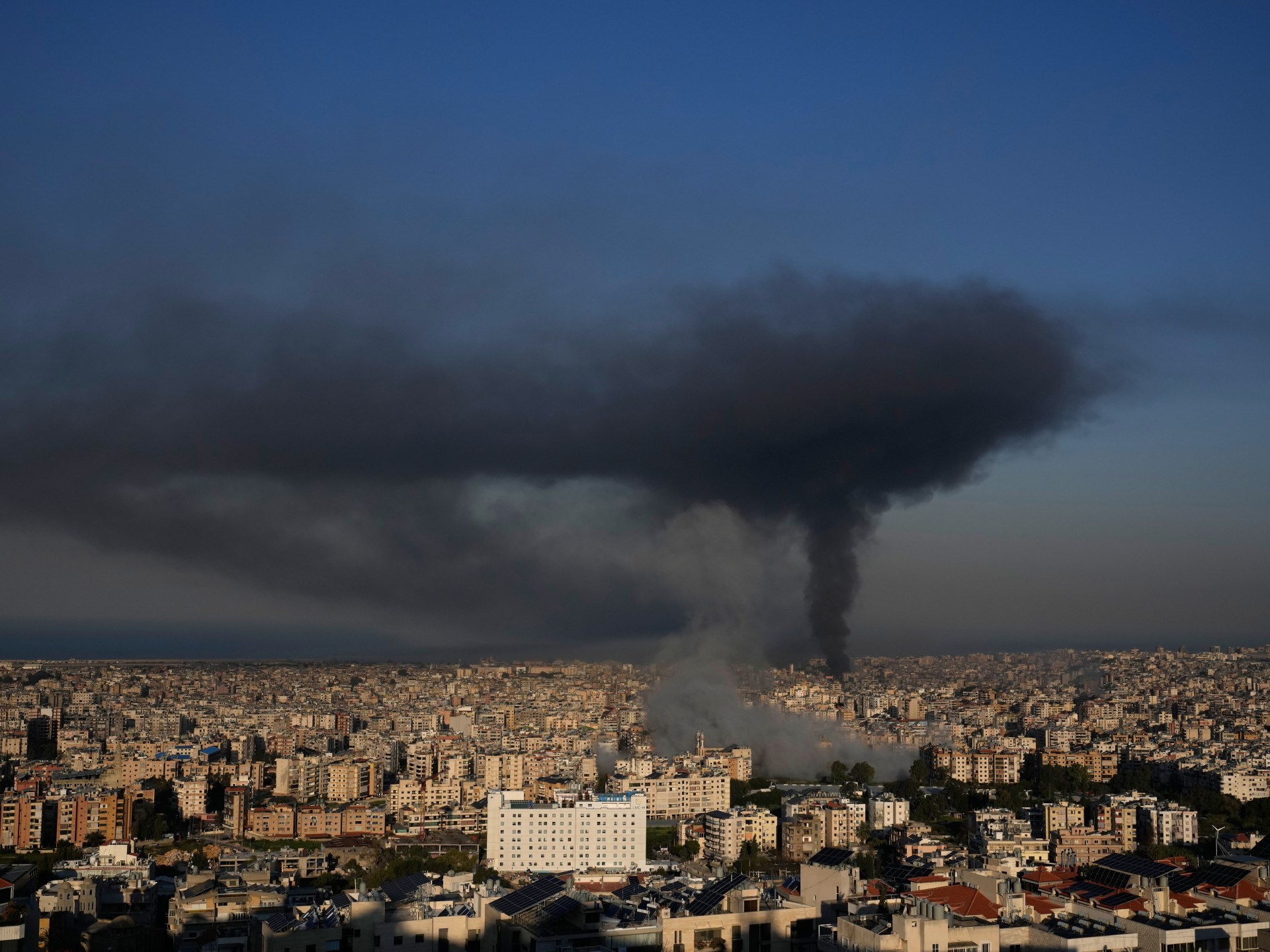
 MEE staff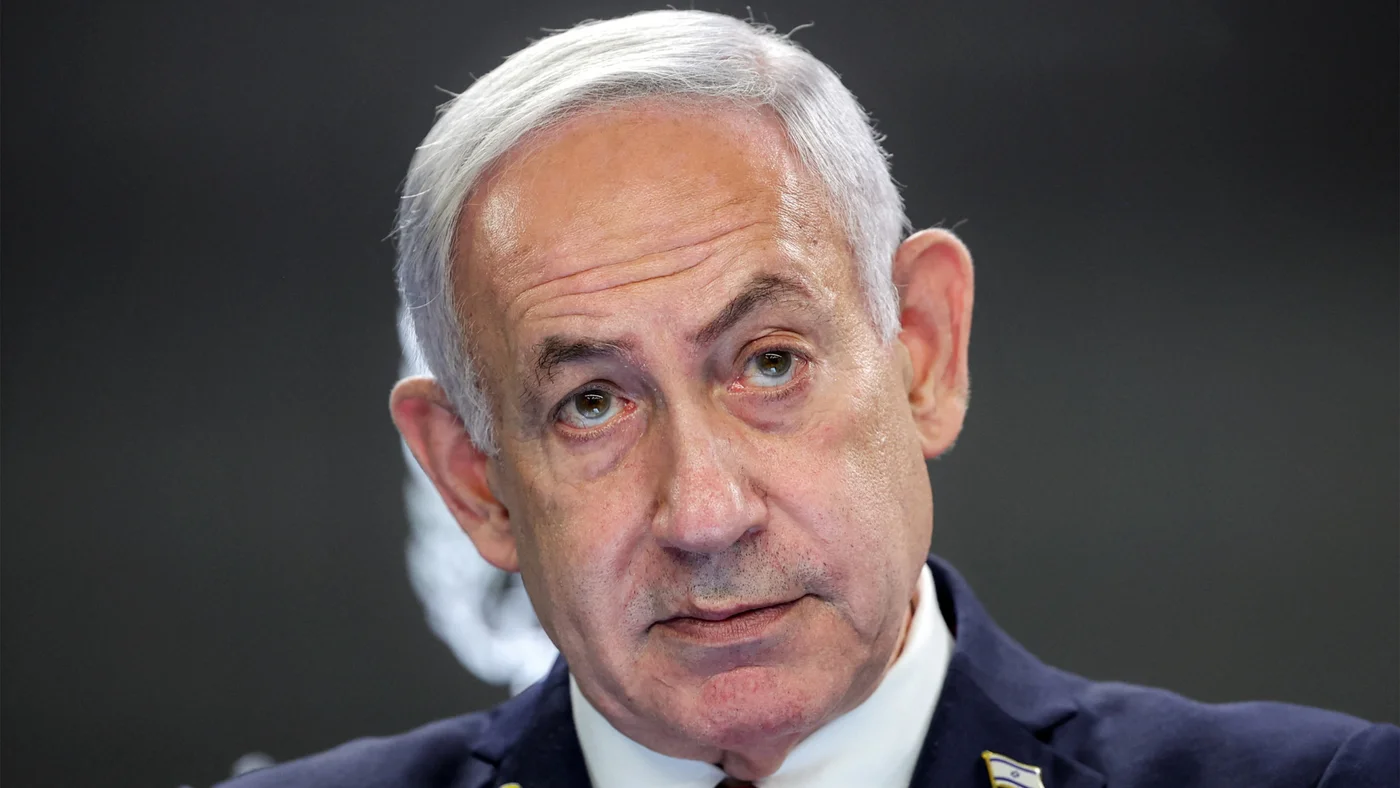
 Rohit David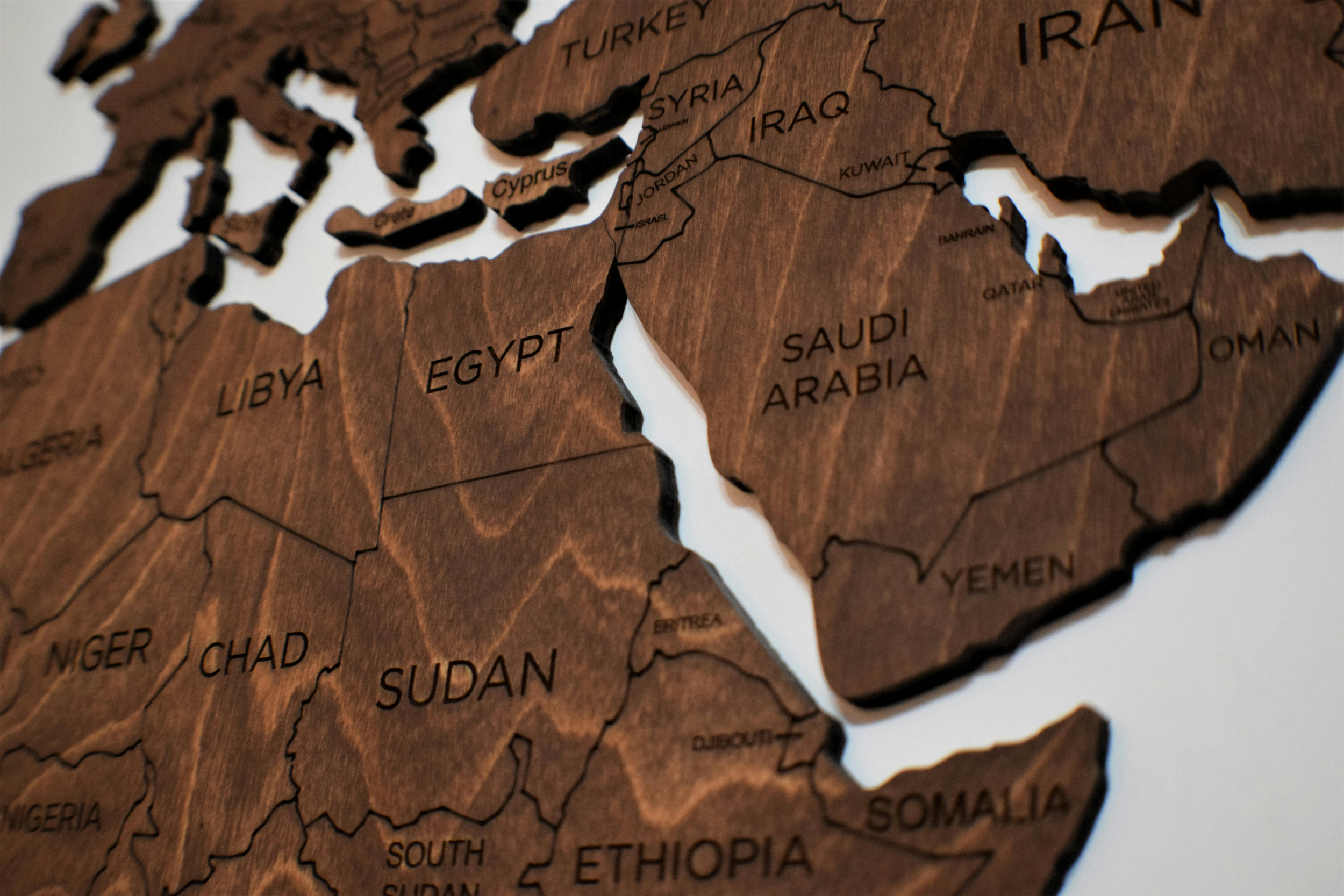
 Rod McGuirk, Associated Press
 Sean Boynton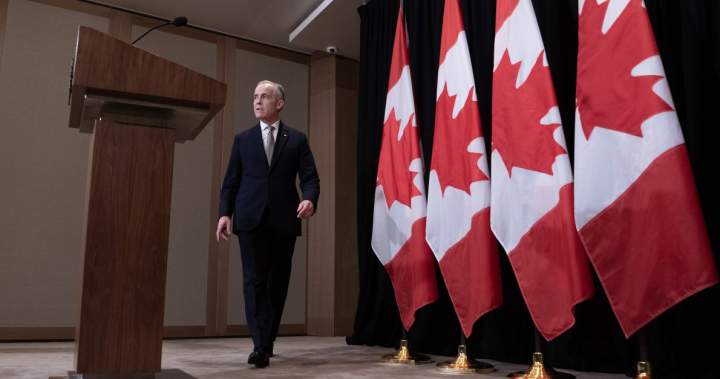
 Angus Reid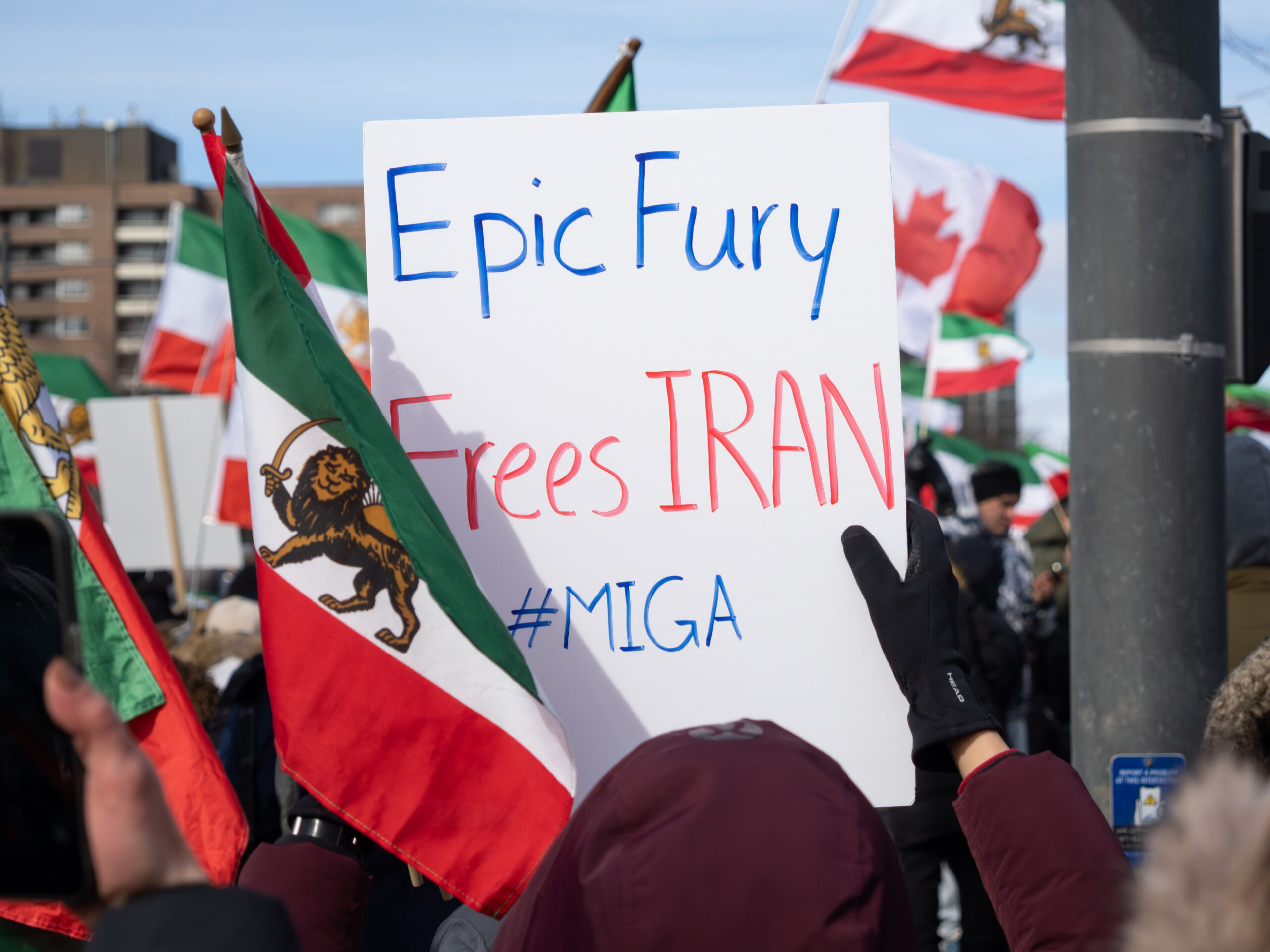
 Curtis Fric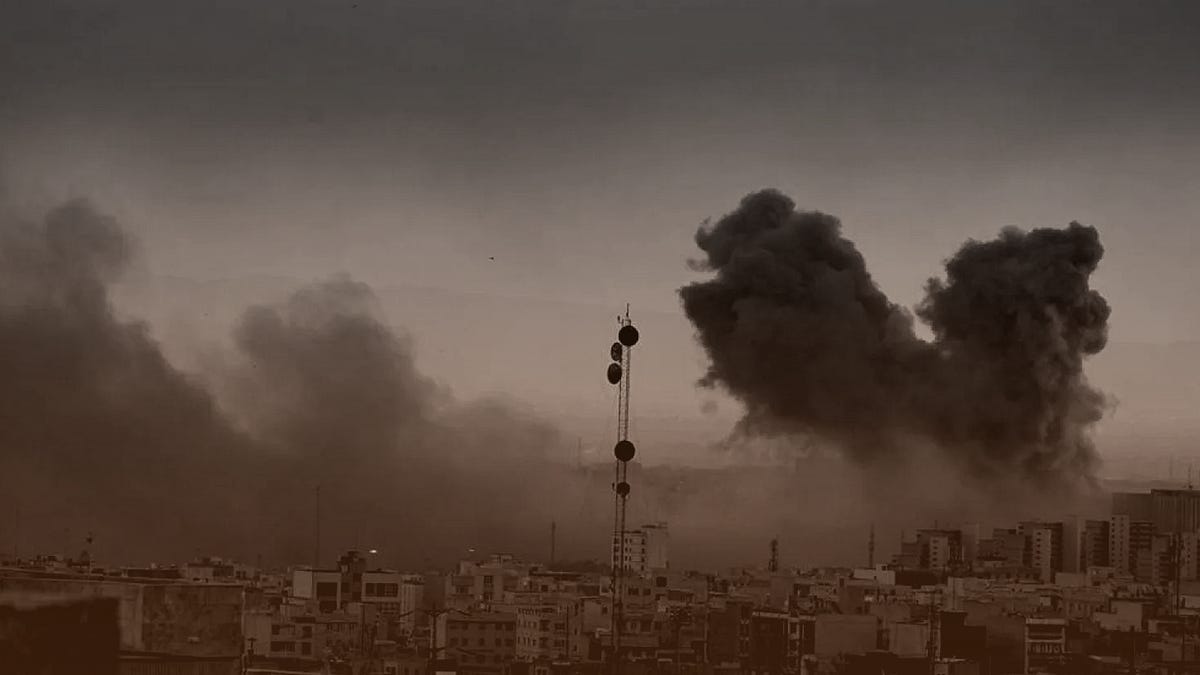
 Owen Schalk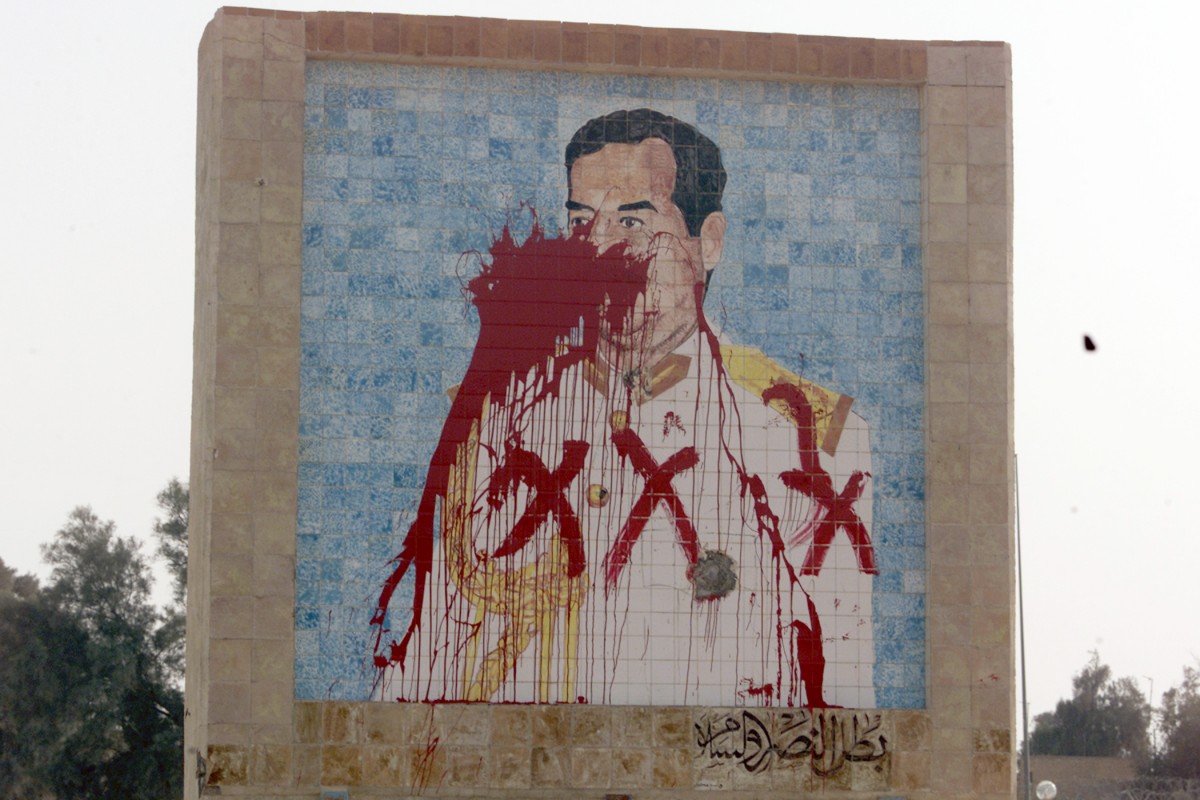
 The Canadian Press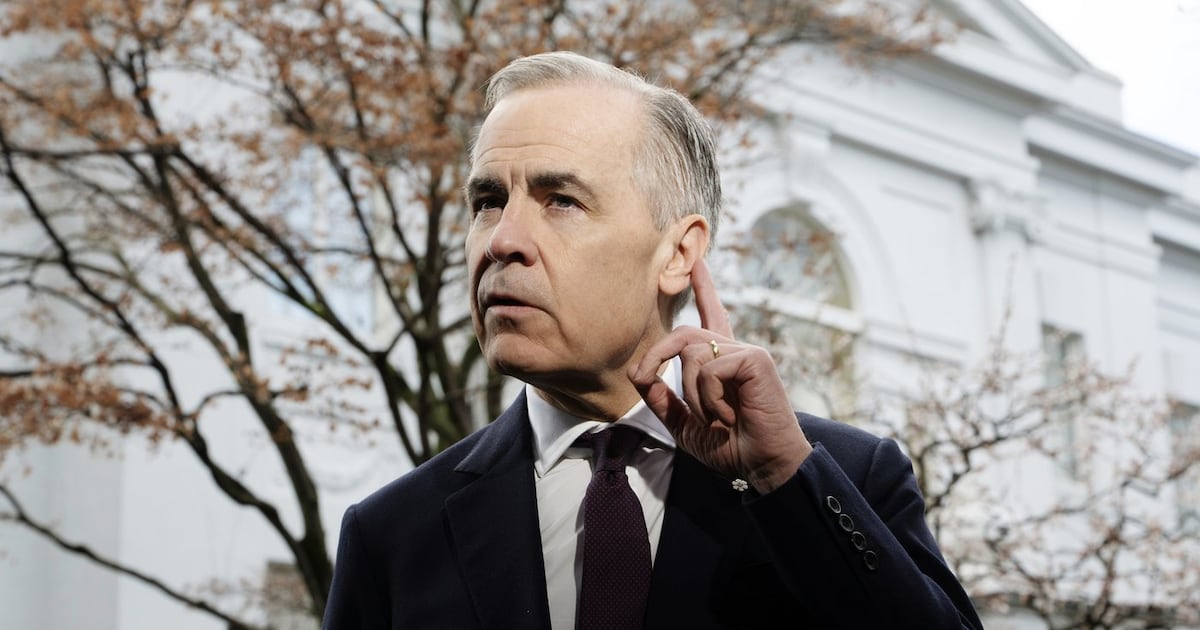
What did you think?
Help us improve! Take a quick 60-second survey to share your thoughts on this article.
Take the Survey