

Table of Contents
The best way to help The Langley Union grow is simple: share this newsletter. Forward it to a friend, mention it to your family, or post it on social media and encourage others to subscribe.
The price of gas in Metro Vancouver crossed $2 per litre this weekend. If you felt a sting at the pump, you're not imagining it.
Since the United States and Israel launched military strikes against Iran on February 28, fuel costs across the Lower Mainland have surged by more than 25 percent. And experts say the worst may not be over.
The cause is simple enough.
Iran has effectively shut down the Strait of Hormuz, the narrow waterway that carries roughly 20 percent of the world's oil supply.
The result is the largest global oil supply disruption in recorded history, according to consulting firm Rapidan Energy. Crude oil has surged past $100 per barrel for the first time since 2022, and the pain is rippling outward to every gas station in Langley and beyond.
U.S. President Donald Trump has called rising gas prices "a very small price to pay" for what his administration has branded "Operation Epic Fury." He has pitched the war as a short-term sacrifice. His energy secretary, Chris Wright, told NBC the conflict could last "weeks, not months."
But the markets are not buying it.
Oil tanker traffic through the strait has dropped from 50 ships per day to nearly zero. Iran has laid mines in the waterway. More than a dozen vessels have been struck since fighting began.
For Canadian consumers, the connection to our wallets is direct.
Kent Fellows, an economist at the University of Calgary's School of Public Policy, told Vancouver Is Awesome that even though most of Vancouver's fuel comes from Alberta crude, global oil markets are linked.
When global prices climb, Canadian prices climb with them.
Here is the uncomfortable truth: high oil prices are very good for oil companies. Canadian oil and gas operating profits jumped tenfold between 2019 and 2022, from $6.6 billion to $66.6 billion, according to Statistics Canada.
Every dollar you spend at the pump flows upward. Very little of it flows back down.
So what can you actually do about it?
Start With the Trips You Already Make
Here is a fact that might surprise you: the majority of car trips in Canadian cities are under five kilometres.
That is a 15-to-20-minute bike ride at a casual pace, or about 10 minutes on an e-bike.
Think about the trips you take most often. The grocery store. The school drop-off loop. The coffee shop. The gym.
If any of those are less than five kilometres from your front door, you have a real alternative sitting in your garage or available at your nearest bike shop.
This is not about giving up your car entirely. Nobody is asking anyone to bike across the Lower Mainland in a polar vortex.
But replacing even a few short trips each week with cycling can save real money.
The Canadian Automobile Association estimates the average Canadian spends roughly $1,373 per month to own and operate a car.
An e-bike, by comparison, costs between $50 and $200 per year to run once you have one.
Even a modest shift in habits adds up.
Langley Is Getting Better for Bikes (Slowly)
If you have not been on a bike in Langley in a few years, you might be surprised by what has changed.
Langley City has been investing in protected cycling infrastructure, including new separated bike lanes on 203 Street, Douglas Crescent, and Glover Road.
The city's Transportation 2050 plan envisions a connected, multi-modal network that prioritizes walking, cycling, and transit alongside cars.
Langley City Mayor Nathan Pachal, who co-founded the HUB Cycling Langley committee before entering politics, has been a consistent advocate for building the kind of infrastructure that makes cycling safe for everyone, not just confident riders.
The Township has also made progress, particularly along 208 Street south of 72 Avenue, where new protected bike lanes offer genuine separation from traffic. But significant gaps remain.
A November 2025 ride organized by HUB Cycling Langley highlighted paths that end abruptly at ditches, multi-use trails interrupted by curbs with no ramps, and routes that force cyclists onto high-speed roads with no shoulders.
The Township's cycling plan has not been updated since 2015.
The honest assessment: Langley's cycling network is a work in progress. It is better than it was five years ago and not yet where it needs to be.
But for many common trips within Langley City's compact core, cycling is already practical and safe.
E-Bikes Change the Math
If you are thinking, "I'm not fit enough," or "Langley is too hilly," or "I don't want to show up to work sweaty," an e-bike solves all three problems.
Modern e-bikes provide battery-assisted pedaling that flattens hills, extends your range, and lets you arrive at your destination without needing a shower.
The price of entry is more accessible than you might think.
Quality commuter e-bikes start at around $1,500 to $2,500 in Canada. That is roughly one to two months of average car ownership costs. Used e-bikes are even cheaper.
And British Columbia's CleanBC e-bike rebate program offers between $350 and $1,400 depending on your income, though the program's popularity means funding gets allocated quickly.
The Canada Revenue Agency's 2026 kilometric rate puts the cost of driving at $0.73 per kilometre. An e-bike costs roughly $0.10 per kilometre, including the purchase price amortized over its lifespan.
Replace three car trips a week on an 8.7-kilometre average Canadian commute and the annual savings exceed $1,900.
Getting Started Is Simpler Than You Think
You do not need a $3,000 e-bike to start.
A used bicycle in good condition can cost less than a single tank of gas at today's prices.
If you have a bike gathering dust in the garage, a basic tune-up at a local shop will cost $50 to $100.
Plan your routes on quiet side streets and residential roads.
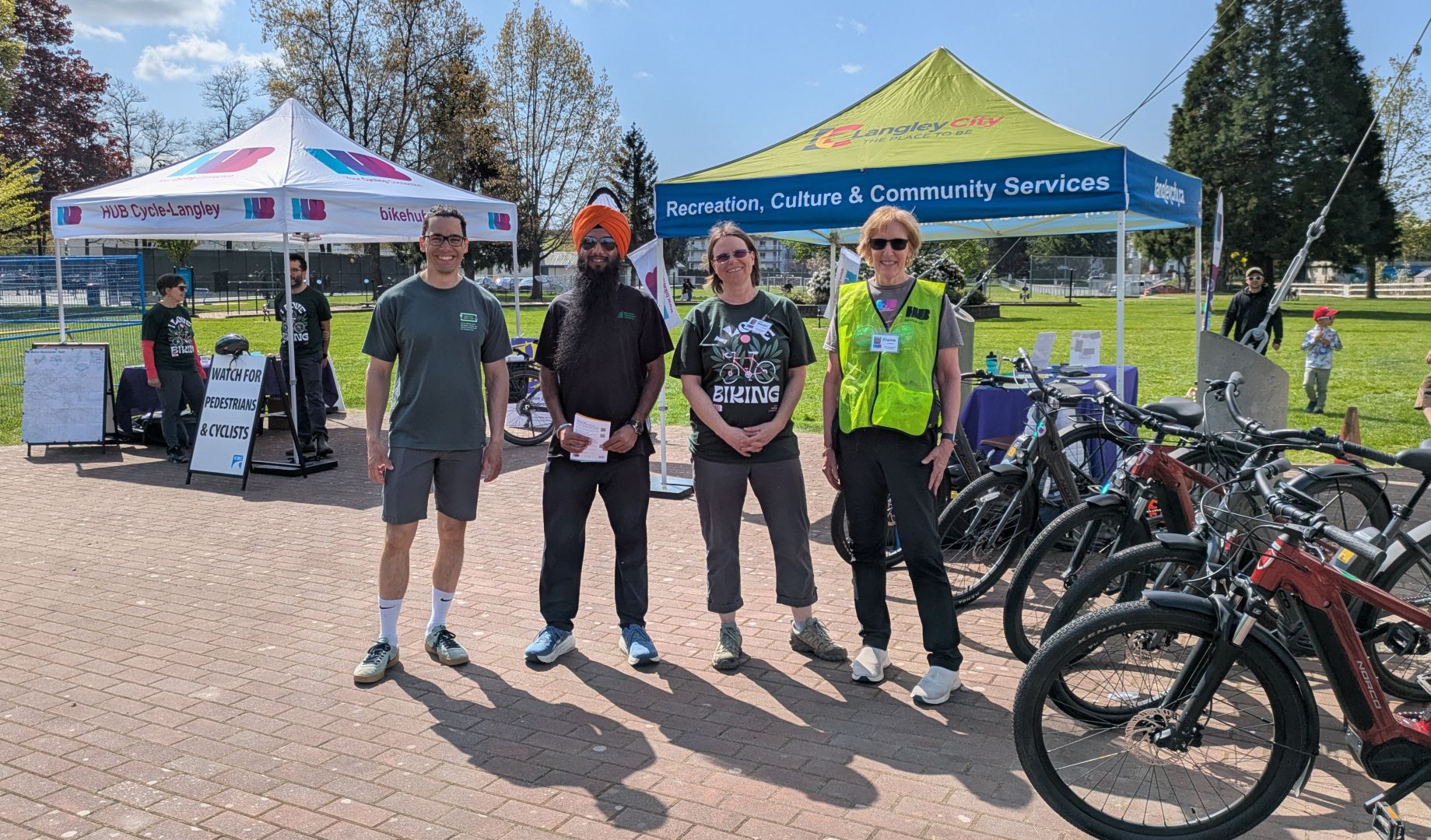
Strong Towns Langley and HUB Cycling both maintain resources on local routes. Pick the shortest errand you do by car each week and try it on two wheels. One trip is all it takes to realize how manageable it is.
 Strong Towns Langley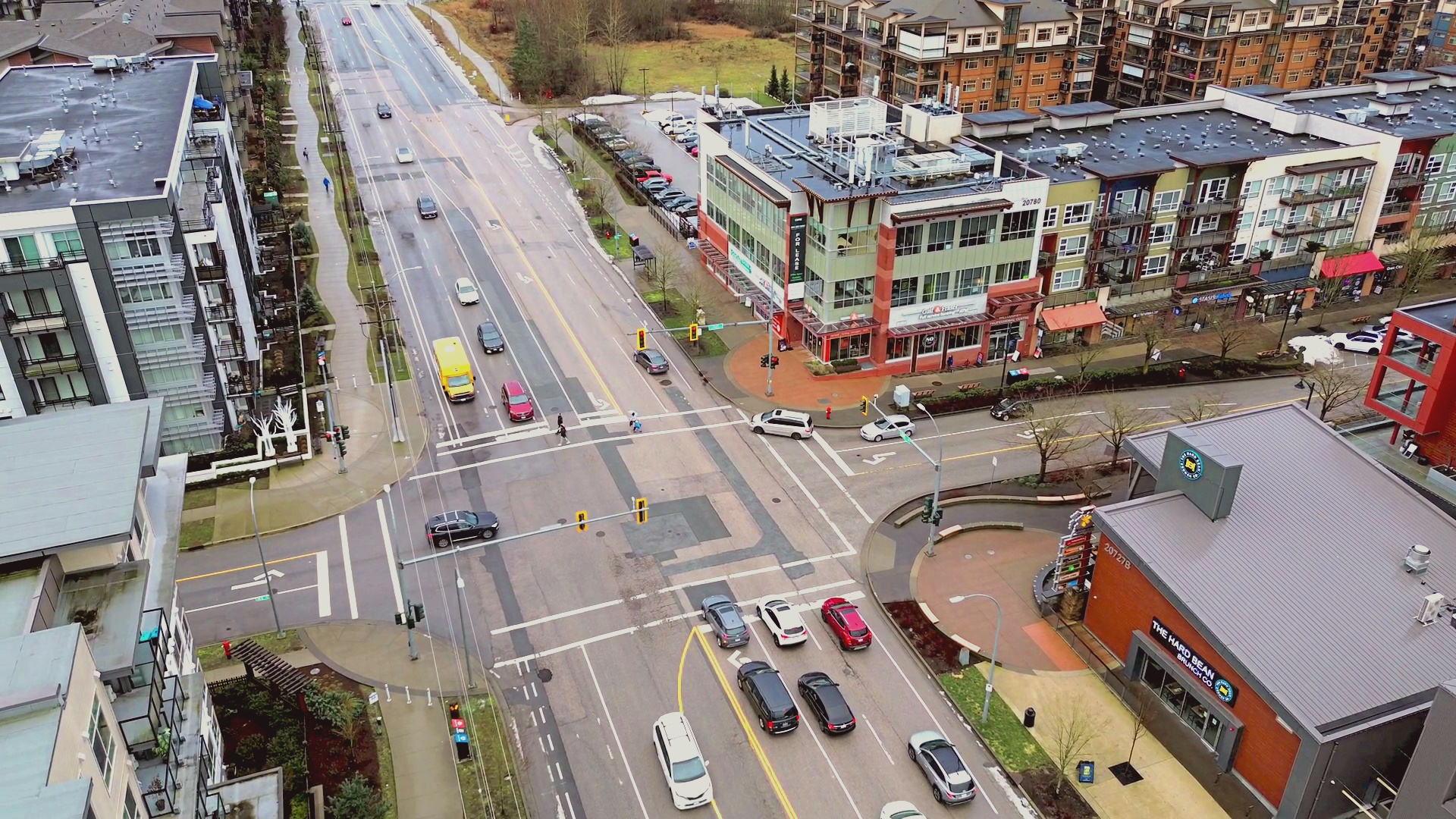



And invest in a good U-lock, because bike theft is real.
The Bigger Picture
Every time gas prices spike, the conversation follows a predictable script.
Consumers complain. Politicians promise relief. Prices eventually settle. And nothing changes.
But something can change this time.
The war in Iran is a stark reminder that our dependence on fossil fuels makes us vulnerable to events half a world away. A conflict we did not choose and cannot control is reaching directly into our wallets every time we fill up.
Choosing to ride a bike for even a few trips a week is not going to end a war or bankrupt an oil company.
But it does chip away at a system that profits from your dependence. It puts money back in your pocket. It is better for your health.
And in a community like Langley, where the infrastructure is steadily improving and the distances are often manageable, it is more practical than most people think.
Gas is $2 a litre. A bike ride is free.
References and Further Reading
 Elana Shepert
 Lisa Steacy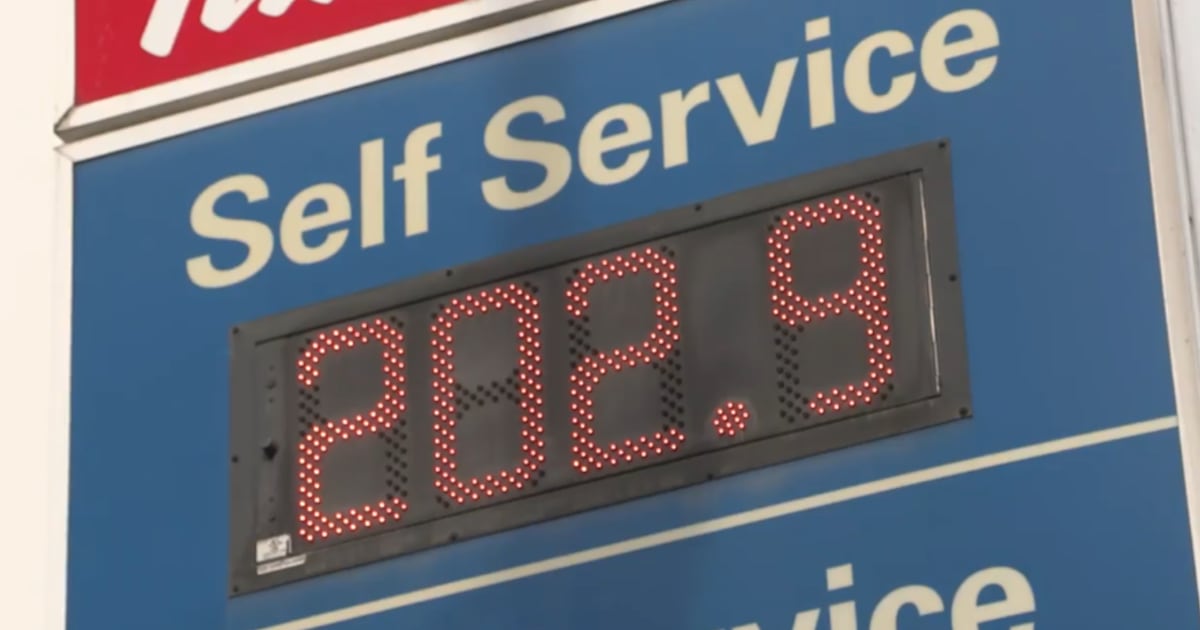




 Nathan Pachal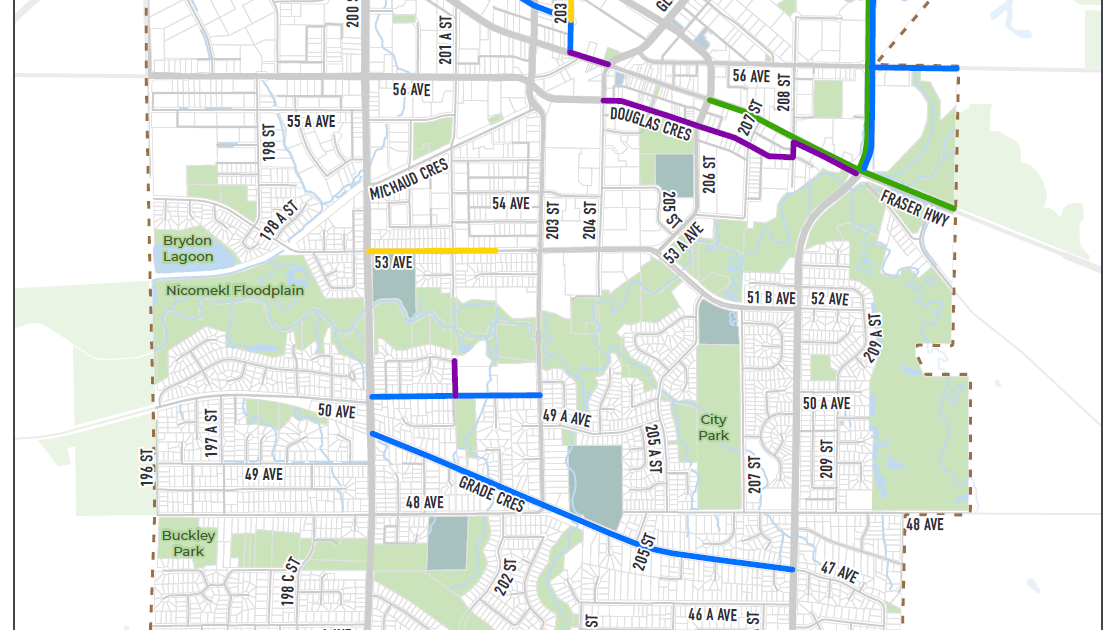
 Matthew Claxton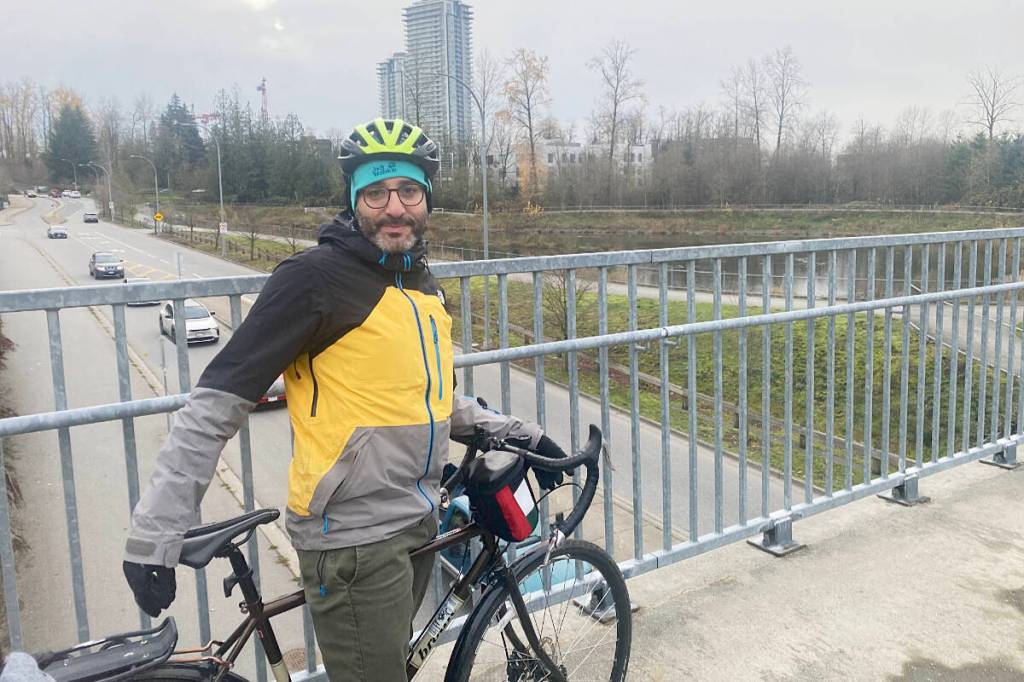
 James Hansen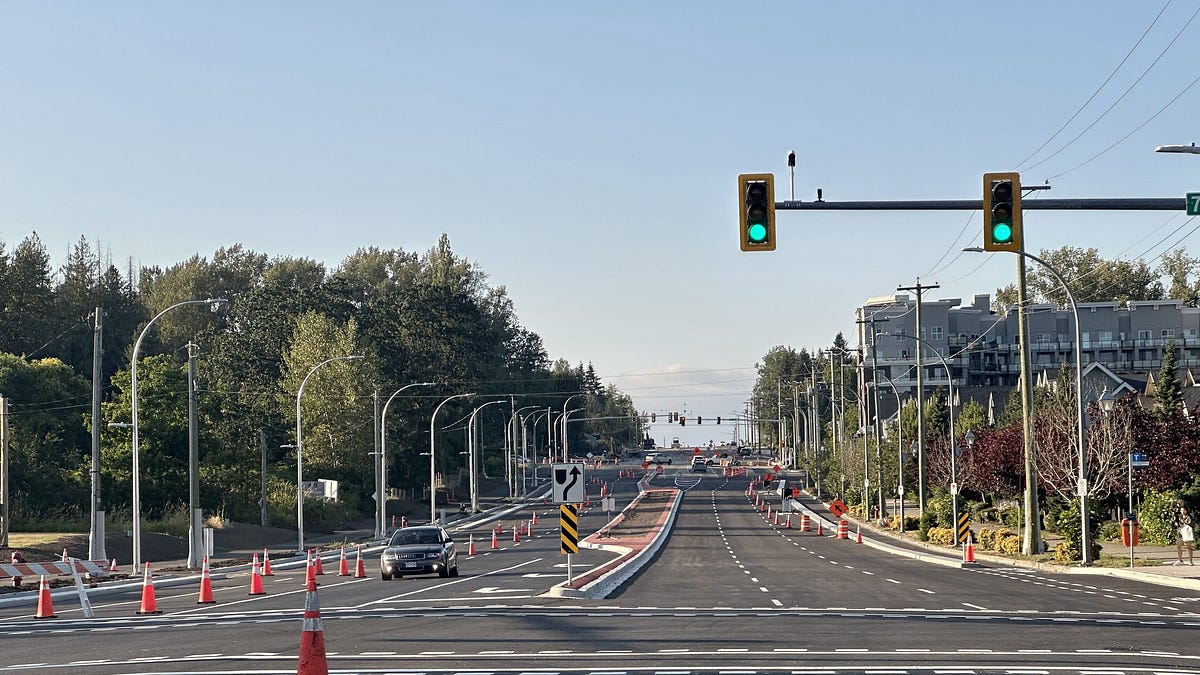


What did you think?
Help us improve! Take a quick 60-second survey to share your thoughts on this article.
Take the Survey