
The best way to help The Langley Union grow is simple: share this newsletter. Forward it to a friend, mention it to your family, or post it on social media and encourage others to subscribe.
Langley City Council is making a calculated move that could reshape local politics for the next decade.
The Invest Langley City program represents more than just an infrastructure plan. It's a masterclass in risk management for elected officials facing tough decisions about spending taxpayer money.
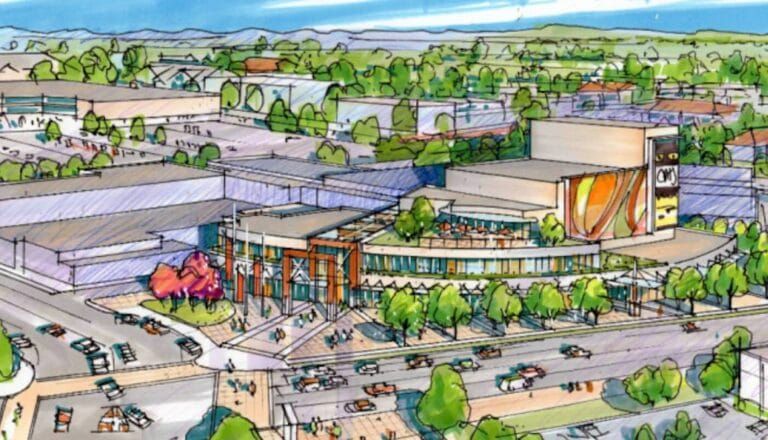
The stakes are high. The city wants to build two major facilities that residents have been asking about for years: a new aquatic centre and a performing arts and cultural centre combined with an expanded Timms Community Centre.
These projects will cost millions of dollars. They will likely require tax increases. And they could define the political careers of every council member who votes on them.
Here's where the genius comes in.
Instead of council making these decisions in a vacuum, they're putting the question directly to residents through an extensive public engagement process.
Mayor Nathan Pachal indicated on his blog that this could include ballot questions during the fall 2026 municipal election.
That's not just good governance. It's smart politics.
The Background
These aren't pet projects dreamed up in back rooms.
Both facilities have extensive histories rooted in community feedback. The aquatic centre conversation started with a 2006 study on expanding the Al Anderson Memorial Pool.
The performing arts centre dates back even further, with a major 2013 study conducted in partnership with the Township of Langley, Kwantlen Polytechnic University, Trinity Western University, and the Langley School District.
That study found significant need for improved arts facilities and recommended locating the centre at Timms Community Centre near City Hall and the library.
In other words, these are projects that emerged from community consultation, not council ambition.
The city has spent years gathering research, conducting feasibility studies, and listening to what residents want. Now they're taking the final step: confirming that these priorities still reflect community consensus.
How the Process Works
The Invest Langley City engagement launched in fall 2025 with pop-up events at Timms Community Centre and an online platform at letschat.langleycity.ca.
Residents were able to share their input on whether the aquatic centre and performing arts centre should be the city's infrastructure priorities for the next decade.
If planning continues into spring 2026, subsequent phases will invite feedback on specific project scope and funding options.
This means residents won't just say "yes, we want these facilities." They'll also weigh in on what those facilities should include and how the city should pay for them.
This transparency matters.
It forces difficult conversations about tradeoffs to happen in public rather than behind closed doors.
It makes the costs and benefits visible to everyone.
The Political Calculus
Here's what makes this approach brilliant from a political risk perspective.
When council eventually votes on these projects, they won't be acting on their own judgment alone. They'll be implementing a decision the community made collectively through extensive consultation and potentially through a binding ballot question.
That changes everything when political opponents try to weaponize these votes in future elections.
Instead of facing attacks about "wasteful spending" or "raising taxes," council members can point to clear community mandate. They listened. They consulted. They put the question to voters. The community decided.
This is especially important for expensive infrastructure that serves broad public benefit.
Working-class families need affordable recreation options. Children need swimming lessons. Local artists and performers need spaces to create and share their work. Cultural facilities attract visitors and support local businesses.
These are investments in community wellbeing, not luxury spending.
But explaining that nuance in a 30-second attack ad is hard. Having a ballot question result is easy.
Democratic Infrastructure
The Invest Langley City process represents what good local governance looks like.
It takes seriously the idea that major spending decisions should reflect community priorities, not just council preferences. It creates space for residents to engage with difficult budget questions rather than treating them like passive consumers of city services.
This matters beyond just these two projects.
When local government makes major decisions through transparent, inclusive processes, it builds trust. It shows that elected officials aren't trying to sneak things past voters or avoid accountability. It creates shared ownership of community direction.
And crucially, it makes local democracy harder to capture by well-funded private interests who might prefer a less engaged public.
When residents participate actively in shaping their community's future, they become stakeholders with real knowledge about what's happening and why.
That's exactly the kind of informed citizenship that prevents corruption and oligarchic capture at the community level.
The Road Ahead
Langley City Council still faces challenging decisions about scope, cost, and implementation for these facilities.
But by grounding those decisions in extensive community engagement, they're doing something rare in local politics: they're turning potential political liabilities into democratic legitimacy.
Whether or not these projects ultimately move forward, the Invest Langley City process offers a model for how municipalities can make major infrastructure decisions with both political wisdom and democratic accountability. That's worth paying attention to.
Residents can learn more and participate in the consultation at letschat.langleycity.ca/Invest.
References and Further Reading


 Nathan Pachal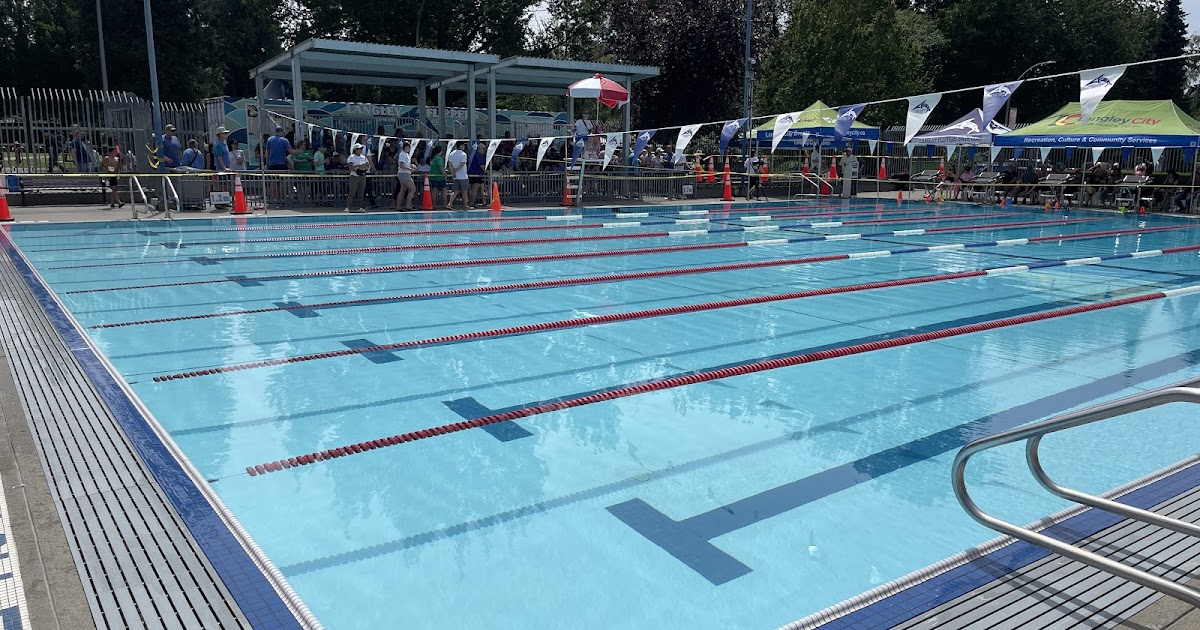
What did you think of this story?
Take our quick 2-minute survey to let us know how we're doing and what topics you'd like to see The Langley Union cover next.