

Please help grow The Langley Union by sharing this newsletter with friends, family, or on social media and asking them to subscribe.
Word of mouth makes all the difference as we strive to grow and champion local news in our community!
As we enter the new year, families across Langley and the Fraser Valley face a political landscape that shifted dramatically in 2025.
From federal sovereignty battles to local debt crises, from attacks on Indigenous rights to economic contradictions in energy policy, the past twelve months revealed fault lines that will define the year ahead.
Here are seven trends from 2025 that deserve your attention as we move into 2026.
1. "Elbows Up" Meets Elbows Down
Mark Carney rode a wave of Canadian nationalism to an unlikely victory over Pierre Poilievre in the April 28 federal election.
The "Elbows Up" slogan, borrowed from hockey legend Gordie Howe's signature defensive move, became a rallying cry against Donald Trump's threats to annex Canada.
Carney swept into office on promises to defend Canadian sovereignty, declaring on election night that "America wants our land, our resources, our water, our country. That will never happen."
But the nationalist rhetoric faded quickly.
Just two months later, on June 29, the Carney government caved to US pressure and repealed Canada's digital services tax.
The move came two days before American tech giants owed approximately $2 billion under the tax. Trump had called the three percent levy a "blatant attack" on US companies and suspended trade talks. Critics accused Carney of granting Trump "a de facto veto power over Parliament."
The contradictions deepened in September when both the federal and BC governments fast-tracked approval for the Ksi Lisims LNG project.
Despite being marketed as Indigenous-led, the facility will be owned and operated by Western LNG, a Houston-based company funded by Blackstone and Apollo Global Management. Blackstone CEO Stephen Schwarzman contributed nearly $40 million to elect Trump-aligned candidates, making him one of the former president's top donors.
Four of six First Nations asked to provide consent refused. Legal challenges followed.
Yet the project that would effectively hand control of BC's natural gas exports to American private equity firms aligned with Trump sailed through with backing from both Carney and Premier David Eby.
The "Elbows Up" campaign that promised to stand up to American expansionism delivered elbows down when it mattered most.
As 2026 begins, Canadians are left wondering whether sovereignty was ever more than a slogan.
2. Township of Langley's Generational Debt Crisis
The numbers tell a stark story.
At the start of 2023, Langley Township carried $177 million in issued and authorized debt. By early 2025, that figure had exploded to $653 million. That represents a 268 percent increase in just two years.
The debt surge has pushed the Township close to its provincial borrowing limit.
Municipalities in BC cannot spend more than 25 percent of sustainable revenue on debt servicing. By the start of 2025, the Township had roughly $300 million left in borrowing capacity.
Then came spring borrowing of $50 million for sports facilities, followed by an estimated $120 million in loan guarantees for the Township Housing Trust Society's affordable housing projects.
The crisis became impossible to ignore when staff admitted in borrowing documents that "rising capital costs in recent years, which has depleted funding sources such as surpluses and reserves."
The Township now takes out ten-year loans to fix fire hall roofs.
A June court ruling struck down the Township's Community Amenity Contribution program, the mechanism officials planned to use to repay $144 million borrowed for Smith Athletic Park and Five Rinks at the Events Centre.
The province's new Amenity Cost Charges program cannot be used to pay back debt taken before the program existed.
All those developer payments from projects already in the pipeline must now go toward extinguishing past debt rather than building promised amenities like the Willoughby Community Centre.
Meanwhile, the Township faces an $86 million infrastructure renewal deficit over the next five years. That money will either come from tax increases or additional borrowing.
Whatever your politics, the math is unavoidable. A generation's worth of debt has been added to the Township's books.
Thousands of new residents will move into developments already underway, paying tens of thousands in fees that won't build them a single amenity.
Instead, those payments will service debt from decisions made before they arrived.
3. The War of the Langleys Heats Up
Township Mayor Eric Woodward made his intentions clear in September 2025 when he told CBC News he wants "the greater Langley area" to "talk about are we being well served with two municipalities."
The statement escalated simmering tensions between Langley Township and Langley City into open political warfare.
Woodward's interest in what would effectively be the annexation of Langley City comes at a telling moment. The Township faces the debt crisis outlined above while the City brings in $6 to $8 million annually from Cascades Casino, and stands to generate additional revenue from future development connected with the arrival of the SkyTrain.
City Mayor Nathan Pachal said the quiet part out loud when he told reporters that "Mayor Woodward has told me that he wants the casino revenue...and I know the Township has one of the highest debt levels in the province, so it's not surprising that he's looking at getting that for his community."
The proposal of amalgamation could provide both municipalities with an expanded tax base, but it's likely to face deep opposition in the City where residents understand they would inherit the Township's massive debt burden while losing the distinct character that makes their community work.
Beyond the current context of the Township's debt, the two municipalities legitimately have a long history of divergent priorities and operating philosophies.
Langley City is dense and walkable, focused on gradual development that creates pleasant neighborhoods. The small, tight-knit community is intentionally building an urban future centered on parks, public squares, and denser housing.
The Township is simply a different community. It spans vast rural areas with more conservative voters who have favored spreading suburbs of single-family dwelling units and car-focused development.
(Yes, I am aware that Willoughby boosted the Township's density. But it feels designed to create as many housing units as possible rather than walkable, pleasant neighborhoods with real density. It feels like the result of letting developers densify without any vision for creating a cohesive community that is an inviting place to live.)
Historically, the difference between these two municipalities goes all the way back to their split in 1954, when residents of Langley Prairie (the area which is now Langley City) voted 85% in favor in a referendum to separate from Langley Township.
Their frustration boiled over because the Township government, which was dominated by rural interests, consistently denied requests for infrastructure projects (e.g. paved roads, modern sewage systems, and streetlights) that would allow the area to grow into a modern city.
The two communities remain divided 72 years later. The Township now includes both sprawling suburbs and rural areas, while the City remains compact and relatively urban.
To be clear, this isn't dead history.
Many City residents view separation as an advantage, not a problem.
Amalgamation would drown out their voice in a larger municipality with different priorities. It would also stick them with debt for infrastructure they never wanted and don't benefit from.
Woodward has also taken the unusual step of registering his "Progress for Langley" political party to run candidates in Langley City during the October 2026 municipal elections.
Whether this represents genuine concern about governance or a calculated move to install amalgamation-friendly councilors within the City government, the conflict will define the relationship between the two municipalities through 2026.
4. Residential School Denialism and the Indigenous Rights Backlash
August 7 brought a landmark court decision that sent shockwaves through BC politics.
After the longest trial in Canadian history, BC Supreme Court Justice Barbara Young issued an 863-page ruling granting the Cowichan Tribes Aboriginal title over approximately 1,846 acres in Richmond.
For the first time ever, Aboriginal title was established over lands including fee simple private ownership.
The ruling came amid an alarming rise in residential school denialism. BC Conservative MLA Dallas Brodie posted in February that "the number of confirmed child burials at the former Kamloops Indian Residential School site is zero."
She later appeared on a podcast using "a mocking, child-like voice to belittle testimony from former residential school students," according to the Union of BC Indian Chiefs.
In November, Brodie introduced legislation to eliminate the National Day for Truth and Reconciliation as a provincial holiday, stating "we did nothing wrong" and there is "nothing to reconcile for."
Lindsay Shepherd, a BC Conservative caucus communications officer, was fired in October after calling the Survivors' Flag "fake" and "a disgrace" on the same day Conservative MLAs raised that flag at the legislature.
BC's Minister of Indigenous Relations condemned "the steady rise of residential school denialism in B.C." in a November statement.
Premier David Eby called the Cowichan ruling "deeply troubling" and "dramatic, overreaching and unhelpful." Sixty percent of BC residents support the provincial appeal.
The Langley area sits on the traditional unceded territory of the Kwantlen, Katzie, Matsqui, and Semiahmoo First Nations. The Lower Fraser Valley Aboriginal Society operates programs to combat anti-Indigenous racism. But the broader Fraser Valley has been shaped by historical dispossession dating to the 1858 Fraser Canyon War.
As governments and politicians push back against Indigenous rights gains, the reconciliation project faces its most serious challenge in years.
5. Vice Signalling: When Cruelty Becomes the Point
As conservative politicians spent years dismissing progressive values as "virtue signalling," a counter-trend emerged in 2025.
Vice signalling is the public promotion of controversial or negative views to appear tough, pragmatic, or rebellious. As writer Nick Cohen put it, "If you want to get on in right-wing politics, it is essential you master the art of vice signalling."
Atlantic writer Adam Serwer's framework explains the political logic: "This act of public cruelty draws lines of community around one group of people and excludes another group in a way that really forms a relationship between a leader and the people that he's seeking to represent."
The Dallas Brodie example fits perfectly.
Her mocking of residential school survivors and push to eliminate Truth and Reconciliation Day wasn't a policy position. It was performative cruelty designed to signal allegiance to voters who see Indigenous rights as a threat.
When a White House official reportedly dismissed criticism of 2025 USAID cuts by referring to "the one starving kid in Sudan," that too was vice signalling. The indifference to suffering was the message.
Dylan Evans argues that "a tendency to accuse others of virtue signalling is therefore the clearest form of vice signalling. It is the public flaunting of one's own indifference to suffering, one's distrust of compassion, and one's disdain for collective responsibility."
This cultural shift helps explain the 32 percent increase in police-reported hate crimes from 2022 to 2023 in Canada. It contextualizes Pierre Poilievre's rhetoric calling Canada "broken" in ways that, as analysts note, "affirms the world view of Christian nationalists."
Vice signalling isn't just about individual politicians.
It reflects a broader realignment where cruelty, prejudice, and hate are being intentionally broadcast as social values. Understanding this trend is essential to recognizing the forces shaping politics in 2026.
6. The Federal NDP Looks to Rebuild
The April 28 election devastated the federal NDP. The party collapsed to just seven seats, its worst result in modern history. Jagmeet Singh lost his own seat and resigned as party leader election night.
The leadership race to replace him exposes fundamental tensions about the party's future direction.
Rob Ashton, president of the International Longshore and Warehouse Union Canada, represents the traditionalist wing. With 30 years as a dockworker and 20 years as a labour leader, he describes himself as "the first working-class labour candidate" and promises straight talk: "I'm not gonna bullshit you."
On fossil fuels, Ashton takes a cautious stance. "Fossil fuels in this country feed a lot of families," he told CBC. "Before there's any type of expansion, or before I can say yay or nay on it, we have to look at the projects." Political scientist David McGrane characterizes him as "a throwback to the old Co-operative Commonwealth Federation: Workers, first, workers, second, workers, third."
Avi Lewis represents the climate-first progressive wing. Grandson of NDP co-founder David Lewis, he teaches Climate Justice at UBC and co-authored the Leap Manifesto calling for rapid transition away from fossil fuels.
His platform demands a complete ban on new fossil fuel extraction projects and proposes investing two percent of GDP in climate initiatives, with one percent dedicated to a Green Jobs Transfer program prioritizing displaced fossil fuel workers.
The contrast crystallized at an October debate. Lewis declared, "We cannot keep increasing fossil fuel production in this country." Ashton countered, "Fossil fuels in this country feed a lot of families."
A January 5 Toronto Star report revealed Ashton accused Lewis of "dividing the party" over the leadership race, marking the most direct confrontation yet.
McGrane calls climate and energy policy "the key fault line" and describes the contest as "a battle for the soul of the NDP."
The outcome matters beyond partisan politics.
With the Liberal-Conservative divide increasingly paralyzed, Canadian voters need a viable third option.
Whether the NDP can rebuild by centering working-class concerns while addressing the climate crisis will determine if such an alternative exists.
The winner will be announced March 29 at the Winnipeg convention.
7. BC Doubles Down on LNG as the Market Collapses
A December 26 Reuters analysis delivered blunt news: "Solar, wind power, and batteries are set to make life a misery for the liquefied natural gas market."
Renewables plus storage are now cheaper than gas, quicker to install, and don't face multi-year delays.
Energy Transfer LP indefinitely paused its Lake Charles LNG project. China's domestic LNG prices hit five-year lows. Morgan Stanley projects European and Asian prices falling below $10 per million BTU by late 2026.
The conclusion was stark: "A crash is looming."
And yet, the BC government is betting billions against that trend.
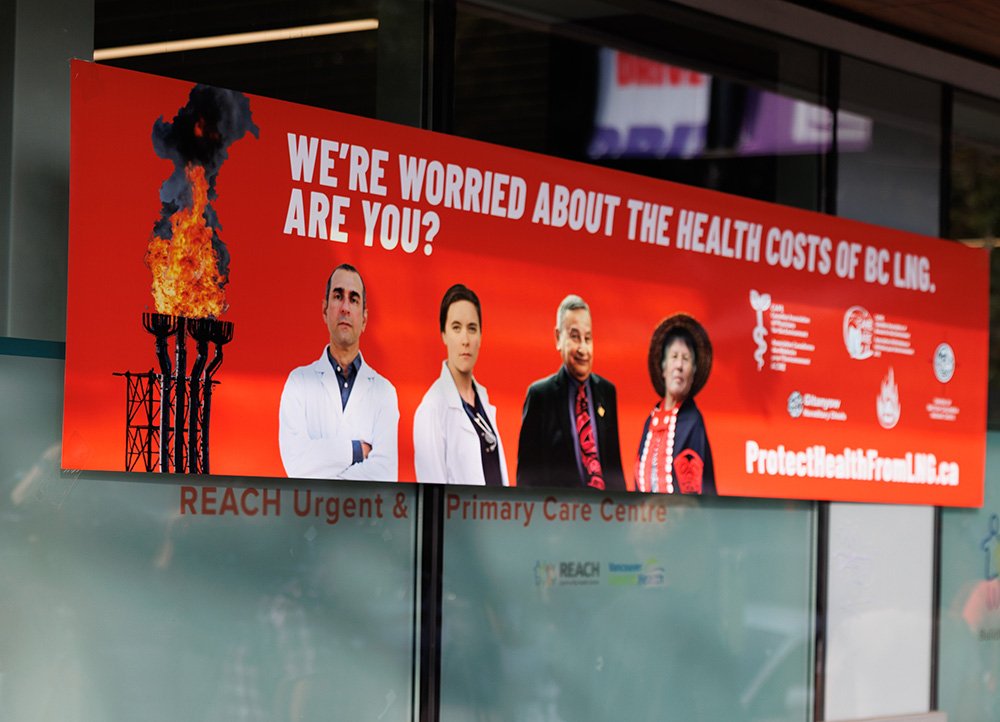
A September report from the International Institute for Sustainable Development found that combined federal and BC support for LNG projects will reach $3.93 billion by 2030. LNG Canada Phase 1 alone receives $103 million annually through tax breaks, PST deferrals, reduced electricity rates, and carbon tax exemptions.
The province's own commissioned review delivered a damning verdict in November. BC will achieve only half its 40 percent emissions reduction target by 2030.
LNG projects "stand to all-but wipe out hard-fought gains in other sectors." Most critically, there is "no research to support the province's claims that B.C. LNG will help lower global emissions by supplanting dirtier LNG in overseas markets."
Premier Eby's evolution tells the story.
During his 2022 leadership campaign, he declared the province "can't approve new fossil fuel infrastructure" because it "can't afford to increase greenhouse gas emissions."
By July 2025, he toured the Kitimat LNG plant declaring himself "so excited about this project."
In September, Vancouver Sun columnist Vaughn Palmer noted Eby "went all in" on Ksi Lisims, "discounting concerns about the impact on the environment and neighbouring Indigenous nations."
The province quietly weakened net-zero requirements for new projects. Green MLA Jeremy Valeriote called it "pandering to industry" and accused the government of "disingenuous greenwashing of LNG as clean energy."
As renewables undercut LNG's economic viability and the climate crisis accelerates, BC is locking in billions of dollars and decades of emissions for an industry facing structural collapse.
Those chickens will come home to roost in 2026 and beyond.
Looking Forward
These seven trends from 2025 reveal a political landscape in flux.
Nationalist rhetoric masks capitulation to corporate interests. Municipal debt burdens future generations. Amalgamation threatens to saddle city taxpayers with township problems. Indigenous rights face coordinated backlash. Cruelty becomes a political strategy. The left searches for direction. Governments bet on failing industries while the planet burns.
For working-class families in Langley and across the Fraser Valley, 2026 will test whether accountability can reassert itself over these forces.
The challenges are clear. The question is whether we have the collective will to meet them.
References and Further Reading
"Elbows Up" and Federal Politics
 Bryan Meler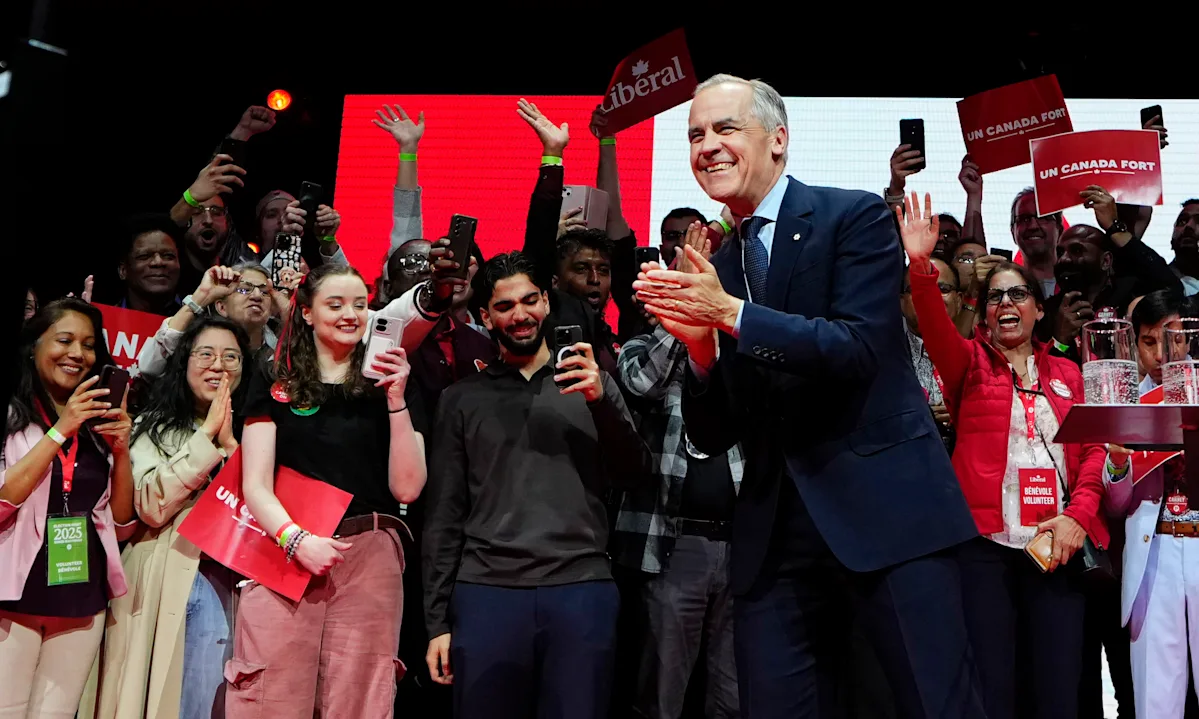
 Akrit Michael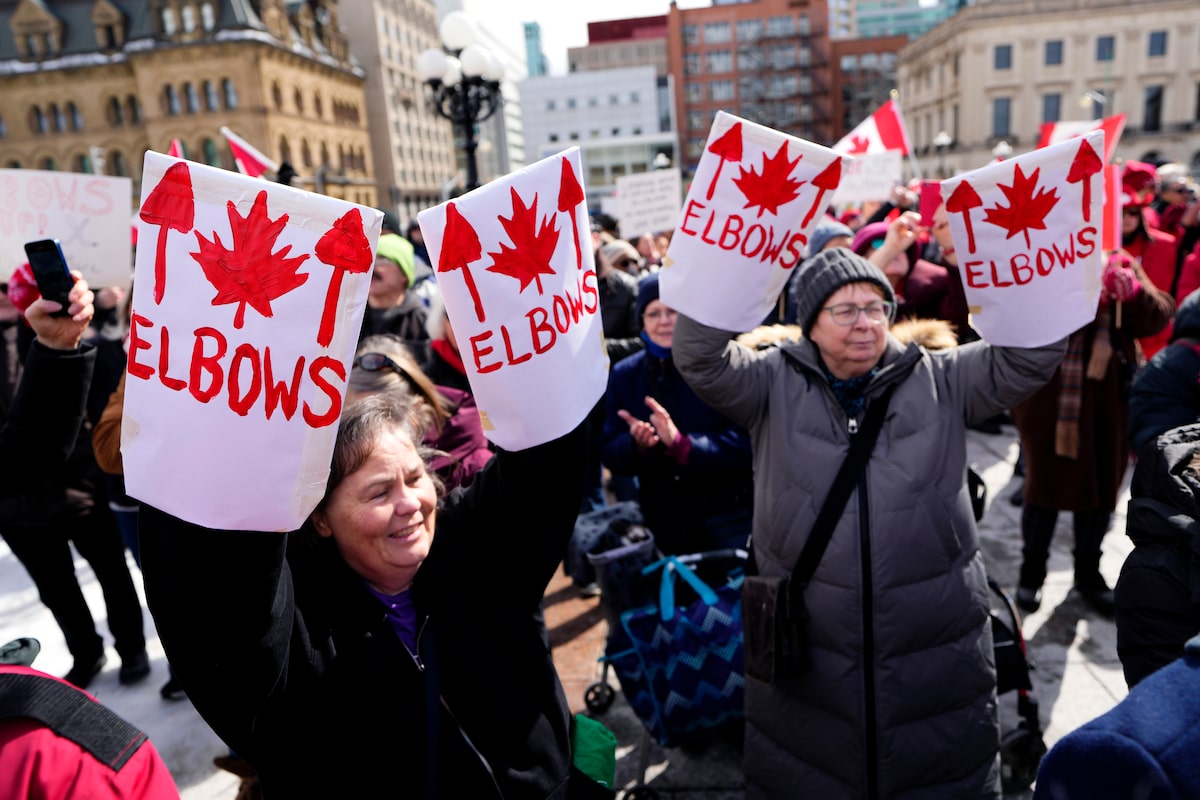
 Taylor C. Noakes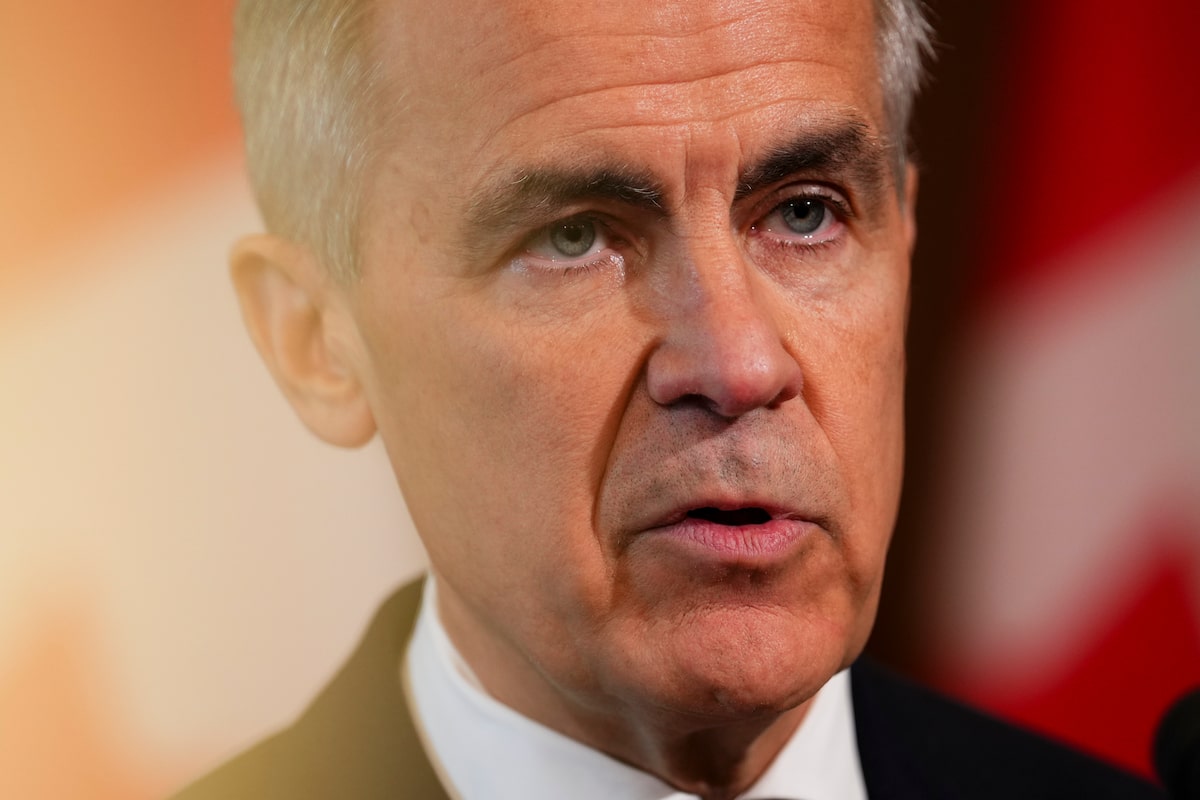
 arin
arin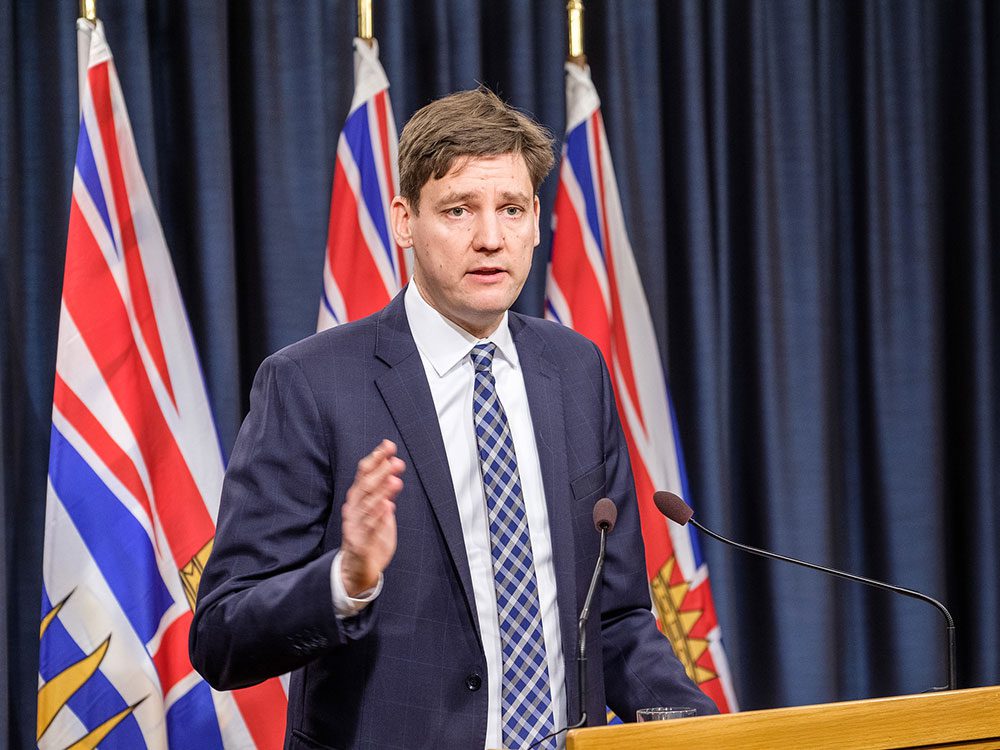
Township of Langley Municipal Debt
 Mike Parker
 Mike Parker
 James Hansen
 Mike Parker
War of the Langleys
 CBC
CBC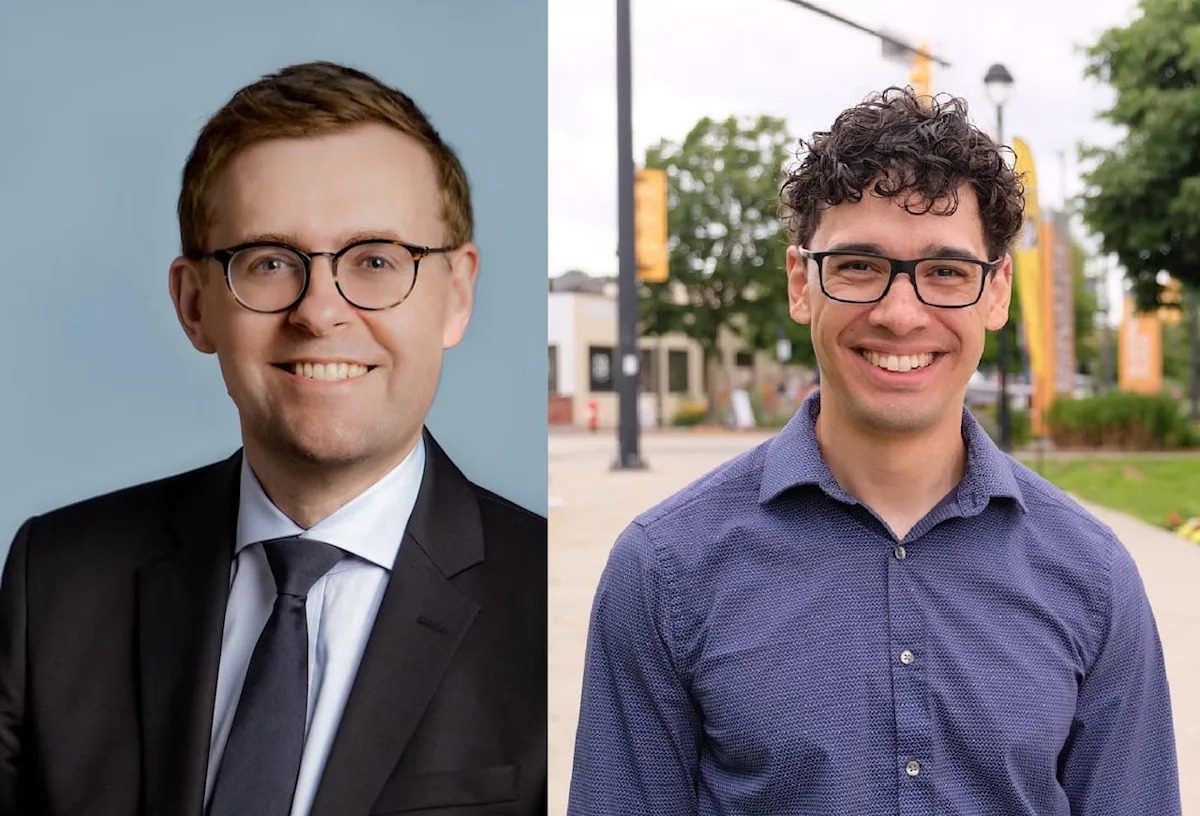
 Thorne Maisey Bongers Real Estate Group | RE/MAX LifeStyles in Langley, BC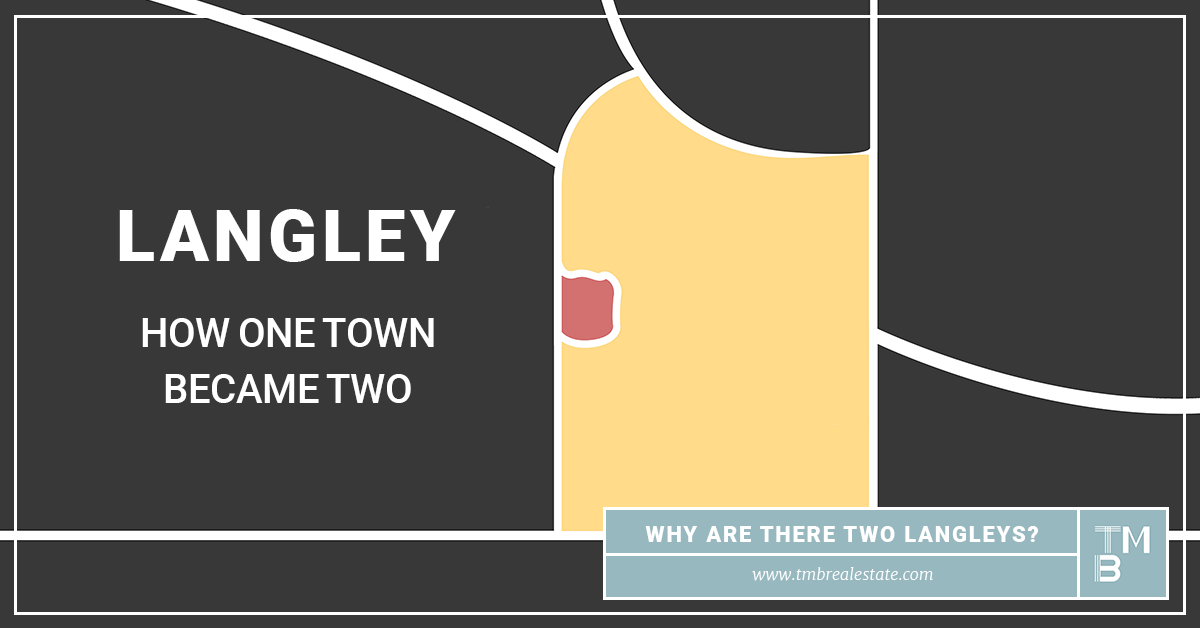
 Rainer Fehrenbacher
Cowichan Court Ruling and Residential School Denialism
 Sean Boynton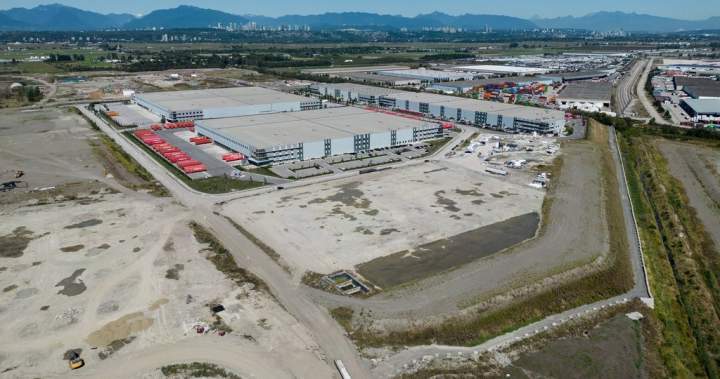
 Richelle Starke
 CBC
CBC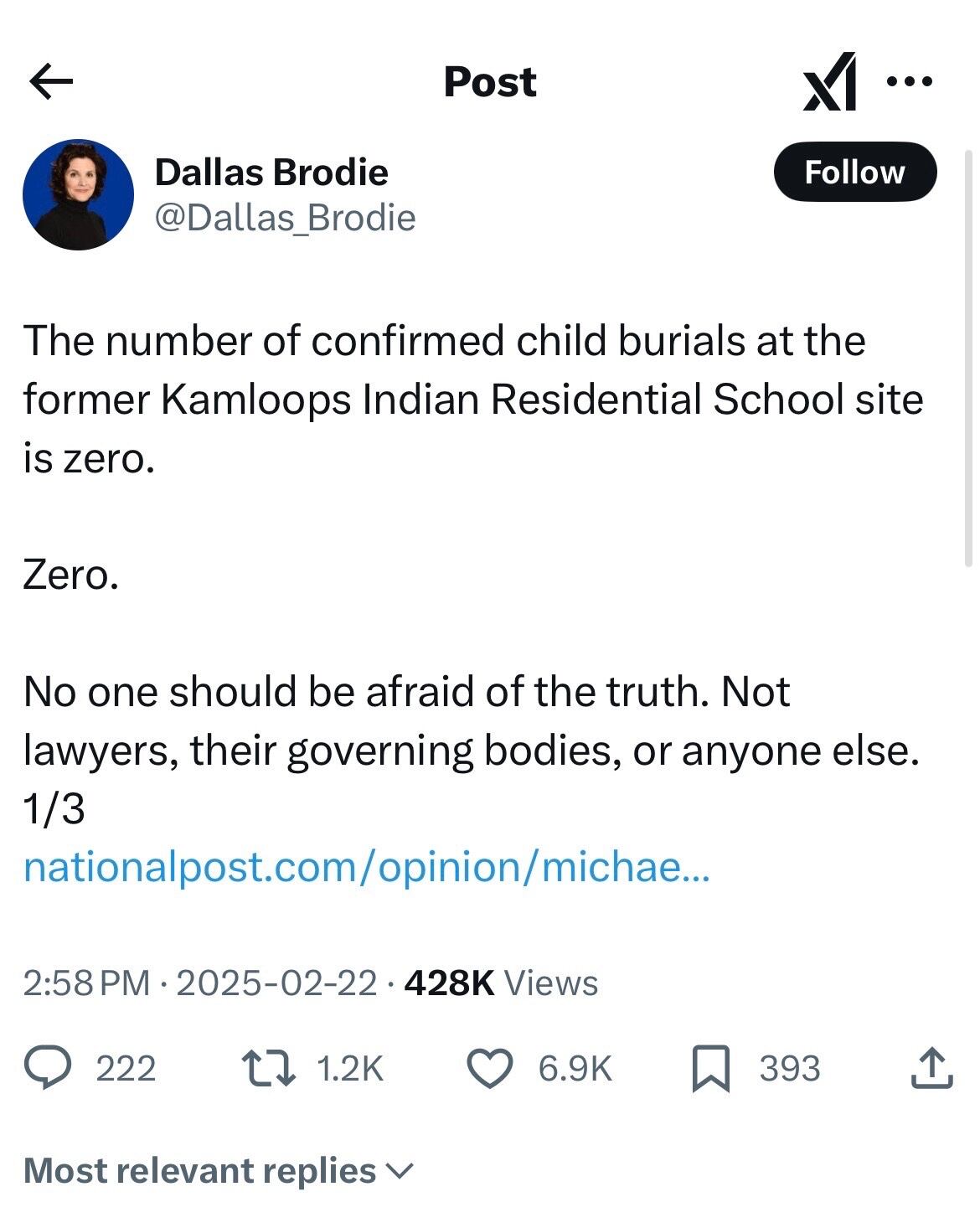
 CBC
CBC
 CBC
CBC
 CBC
CBC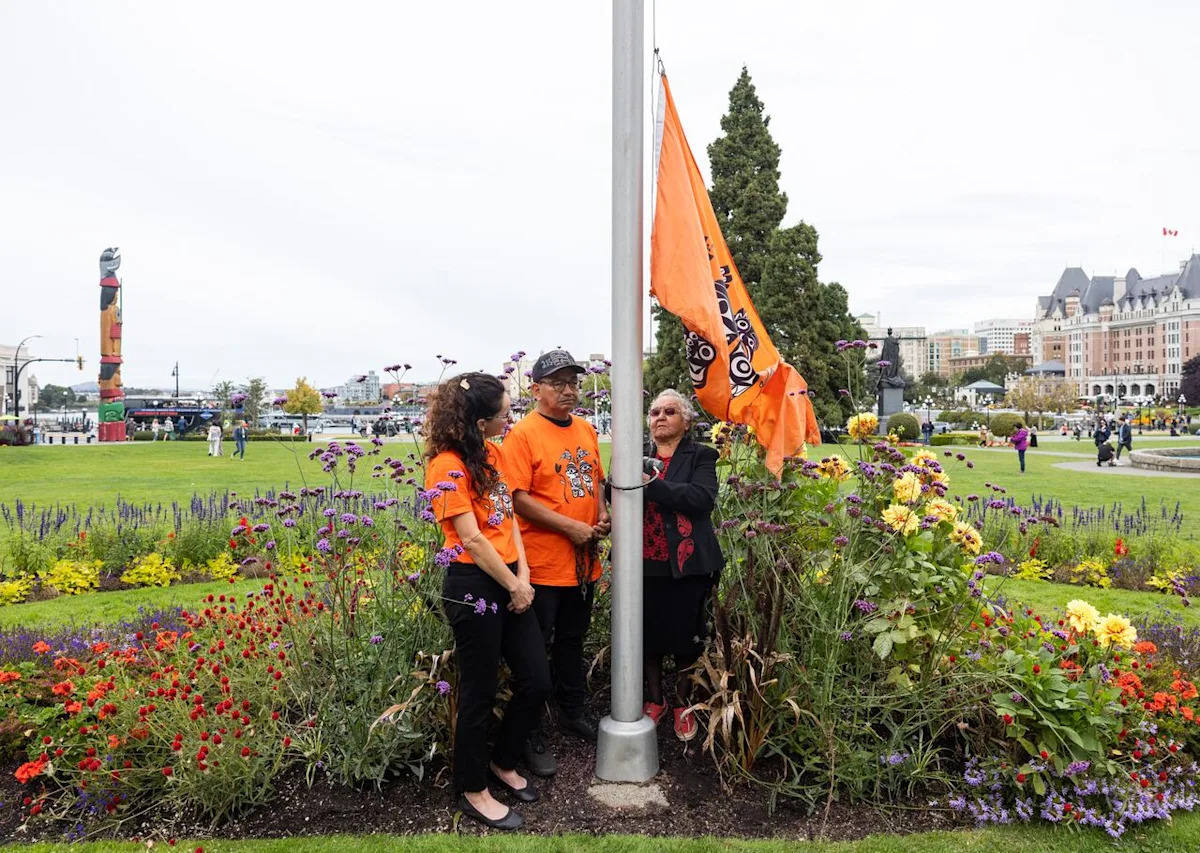
 Shannon Waters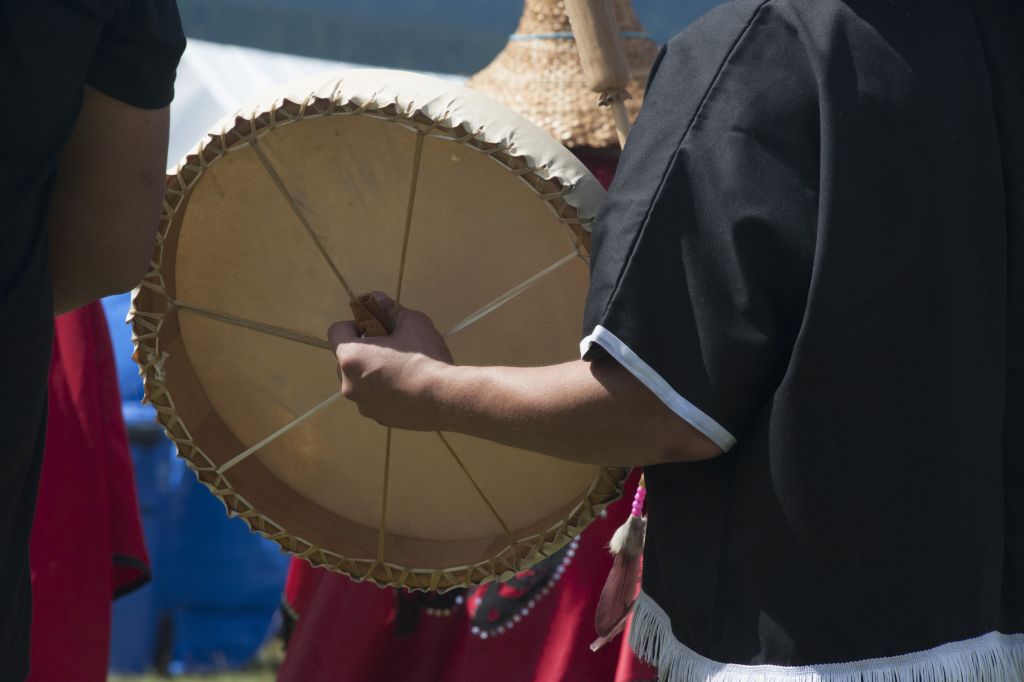
Vice Signalling
 Nick Cohen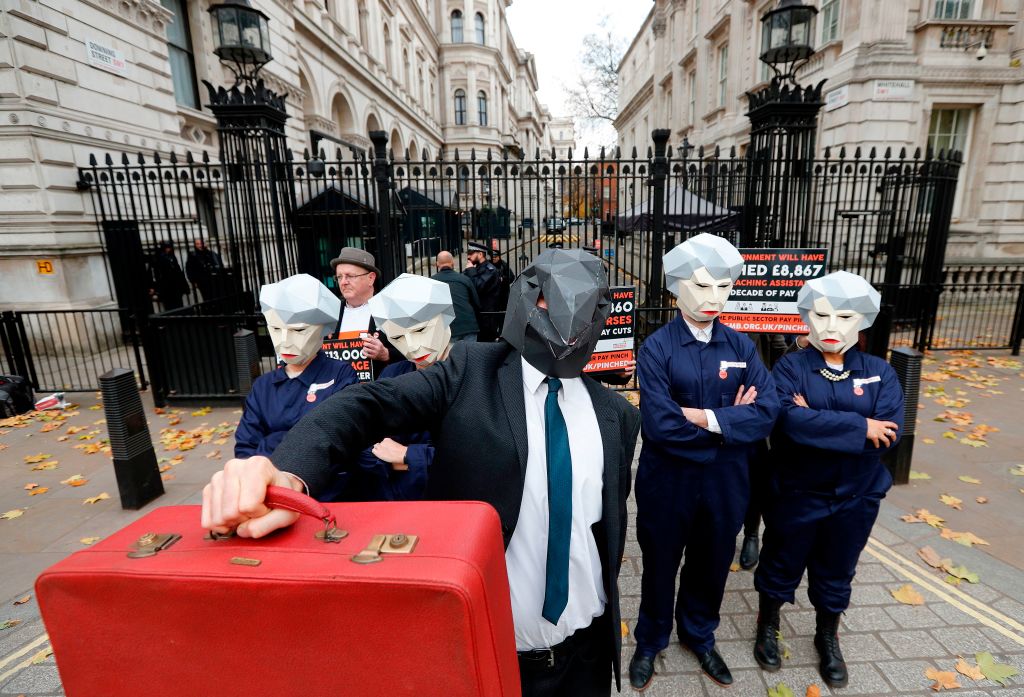
 Zoe Williams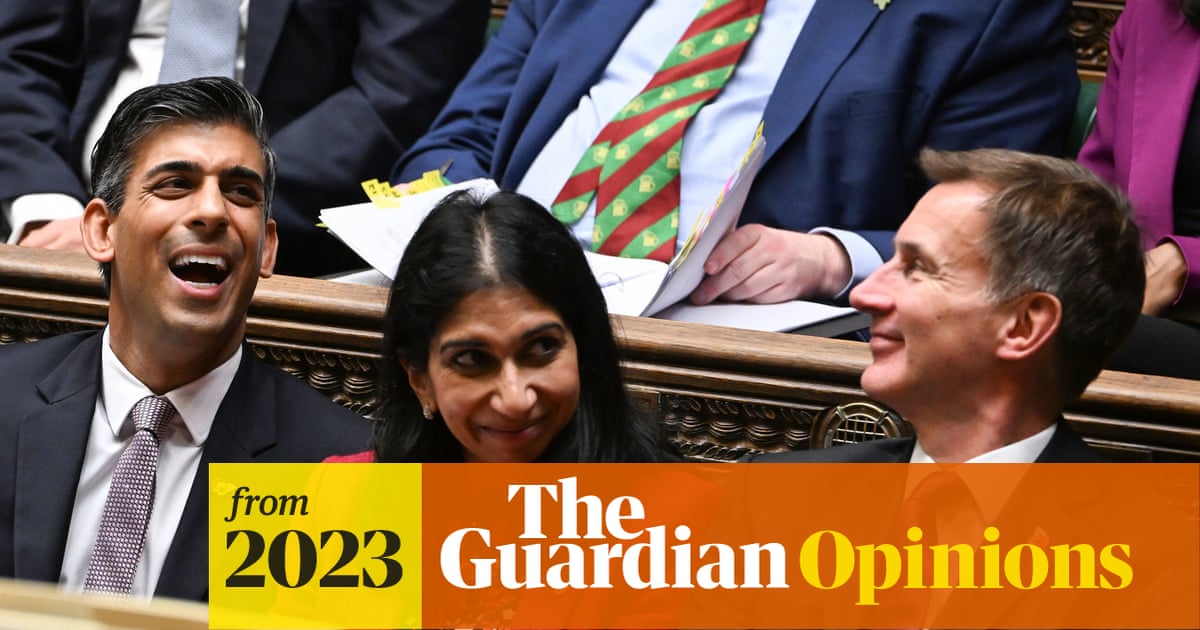
 Scott Lemieux
https://medium.com/@evansd66/vice-signalling-67f36ed49836
Federal NDP Leadership Race


 CBC
CBC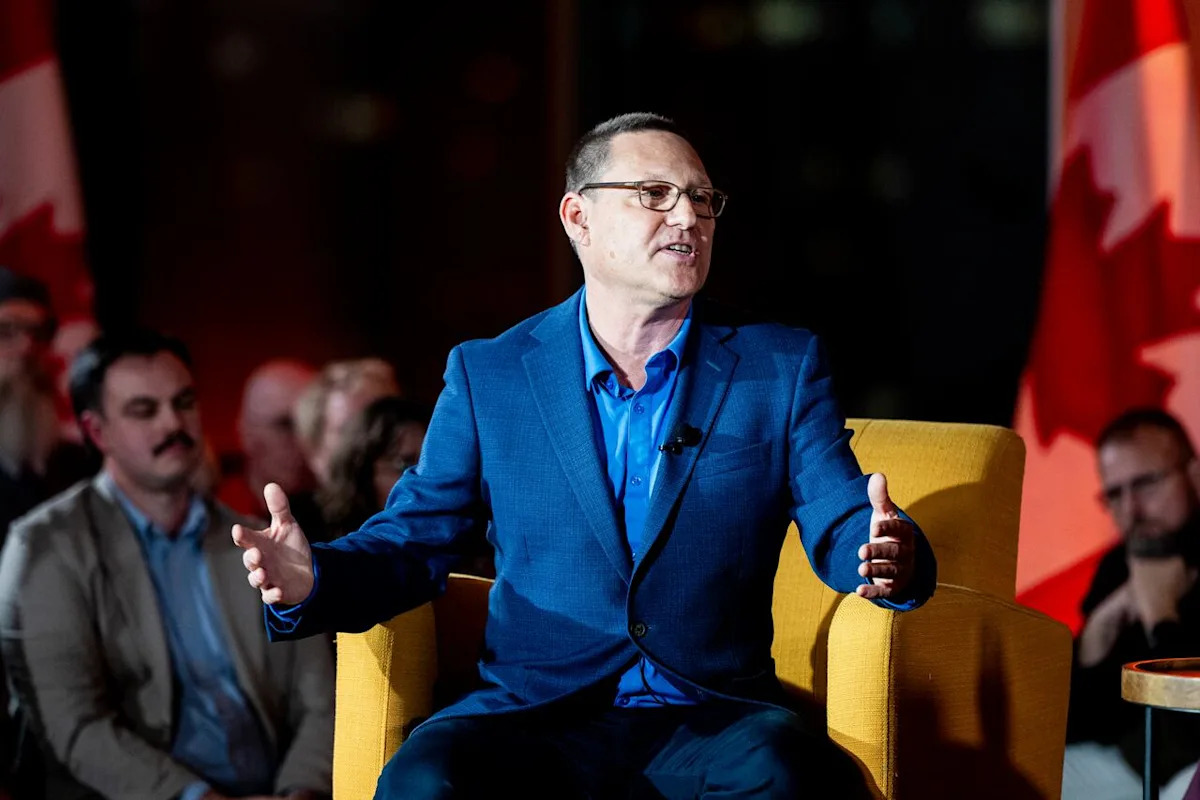
 Avi Lewis Campaign
BC NDP and LNG
 Antony Currie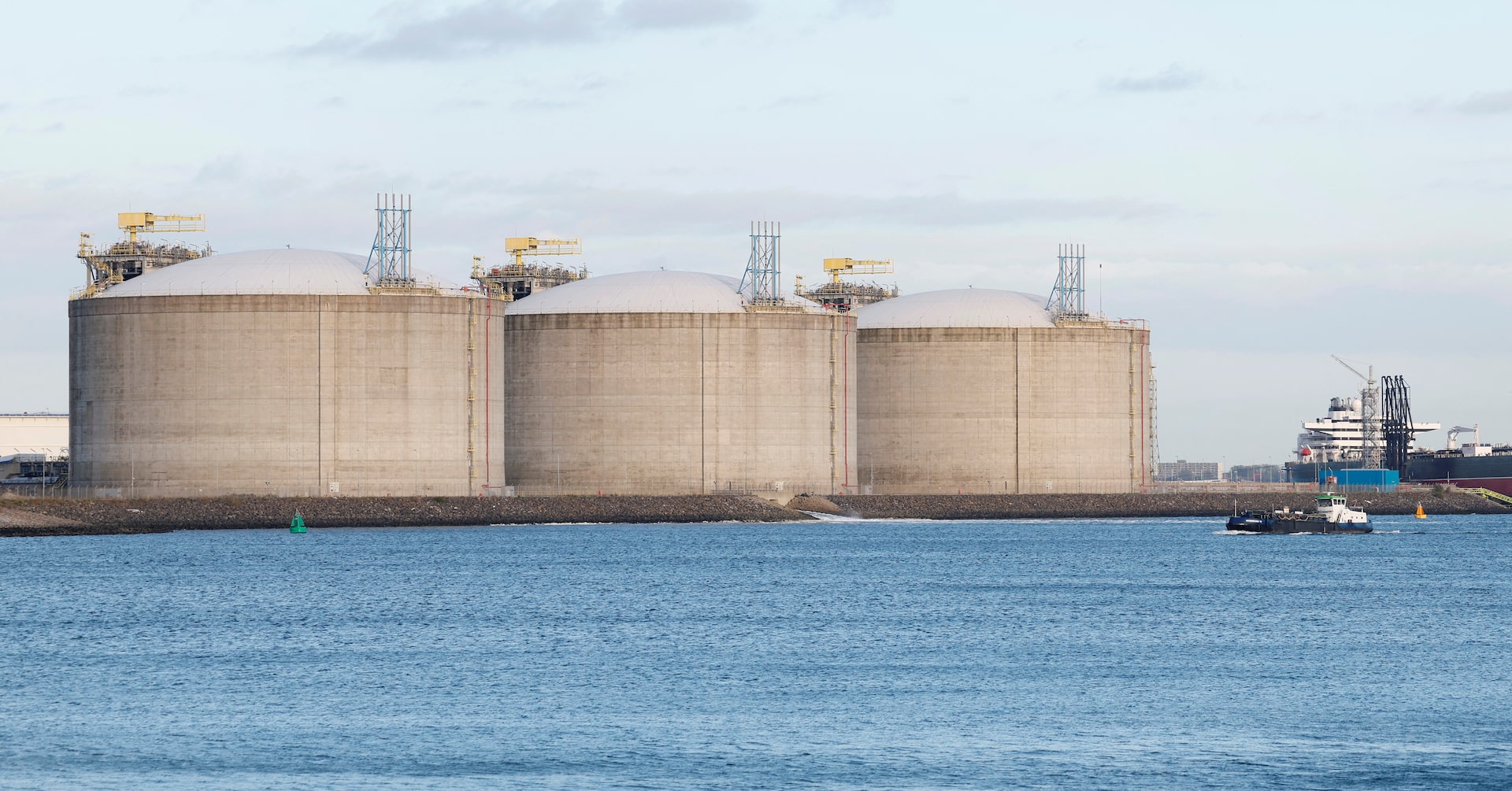
 Mitchell Beer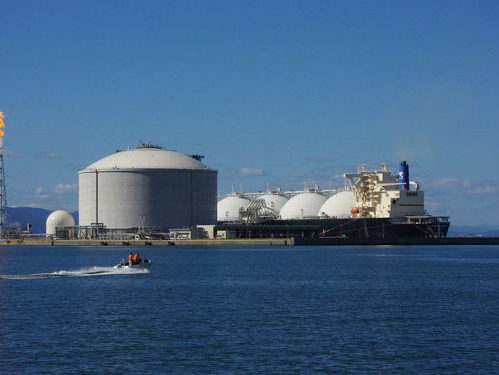

 Nelson Bennett, BIV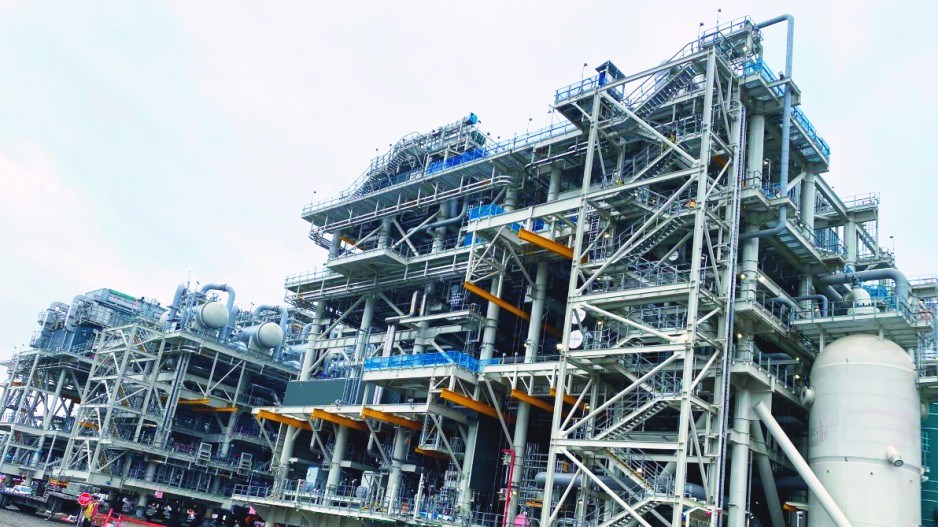
What did you think of this story?
Take our quick 2-minute survey to let us know how we're doing and what topics you'd like to see The Langley Union cover next.